MARKET KNOWLEDGE

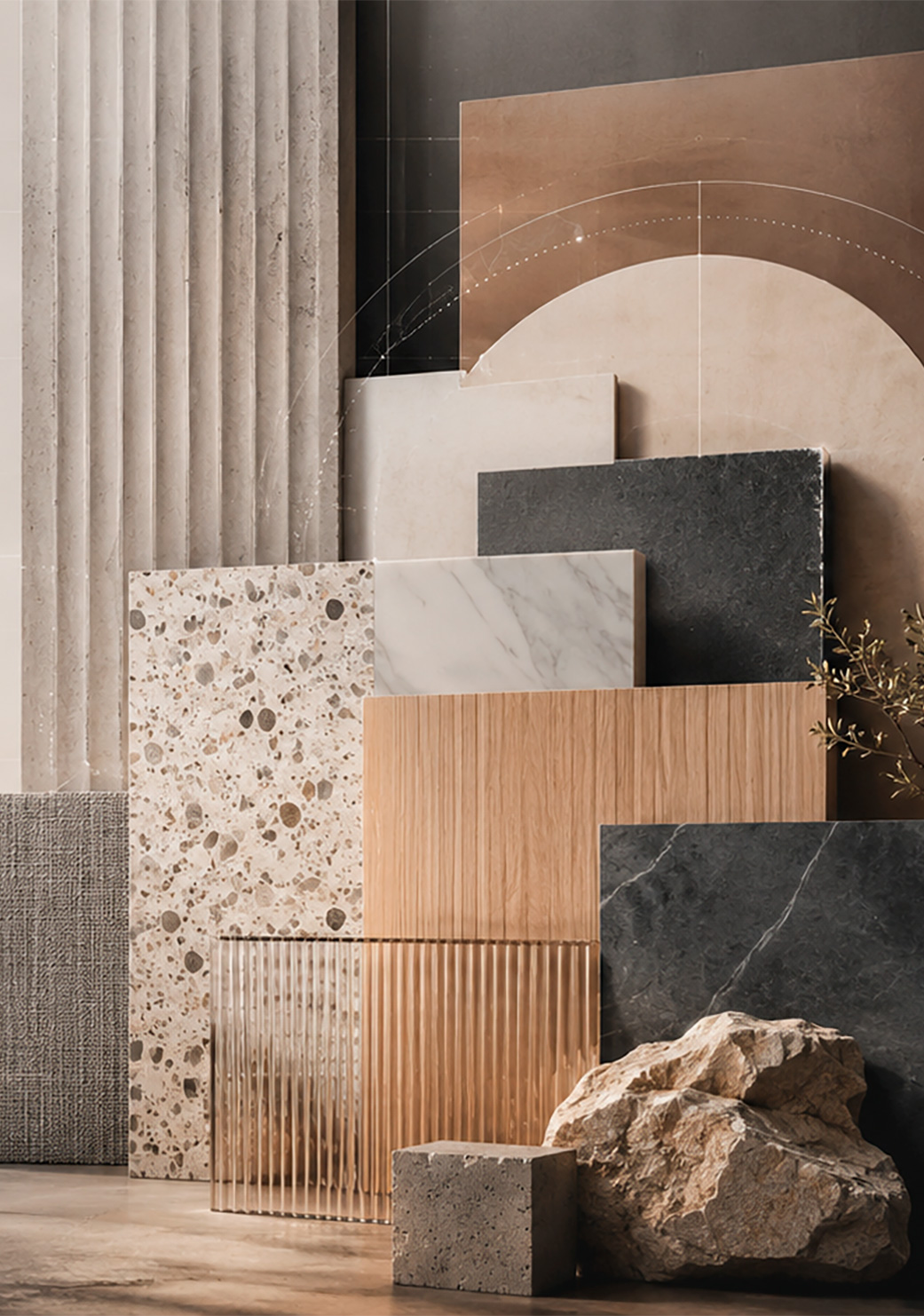
Composition of ceramic, natural stone and wood samples in varied colors, textures and finishes.
  • Home
  • >
  • Market Knowledge

Market Knowledge is VXLAB’s strategic intelligence platform for the architectural materials industry. It identifies what is shaping ceramic tile, bathroom, outdoor surfaces, stone, flooring and trade fairs, and what these shifts demand from your brand, design and visibility.

Written by a brand-building house that designs what it recommends, it is created for decision-makers competing in a market where buyers complete 61% of their journey before contacting sellers, and where the vendor favored before that first conversation still wins nearly 80% of the time (6sense, 2025).  
Every wrong brand decision starts as a market misreading. Materials companies are usually rich in production knowledge and poor in market knowledge. They can explain their product down to the kiln curve — and struggle to explain how an architect in another country perceives them next to a competitor whose tiles, taps or floors look, on a screen, exactly the same. Market Knowledge is the discipline that closes that gap. It converts sector data, buyer behavior and competitive dynamics into the decisions that actually build a brand: what to stand for, what to say, how to look saying it, where to be seen. Knowing the market is not the goal. It is the raw material. The goal is a brand that architects recognize, distributors trust and buyers remember — and that is designed, deliberately, piece by piece. Because in this industry, architects and designers judge a brand the way they judge a building: by how well it is designed.
Jorge García-Riego
Stacked gray architectural panels with layered textures and varied thicknesses.
Six industries. One method. Explore Market Knowledge by sector.

VXLAB is a brand-building house specialized in architectural materials: strategy, creative and production under one roof, working across ceramic, bathroom, outdoor surfaces, stone, flooring and the fairs where these industries meet. Half of that work is analysis; the other half is design — identities, catalogues, stands, campaigns — because the people who specify these products are architects and designers, and they give their trust to brands that share their design culture.

Market Knowledge is where that experience becomes public — sector by sector, tension by tension, always ending where it matters: what your brand should do about it.

Six forces every materials brand is competing against right now — whether it knows it or not.
The buyer finishes before you start

B2B buyers complete an average of 61% of their purchase journey before contacting sellers, and nearly 80% ultimately choose the vendor they already preferred at that stage.

(6sense, 2025)

Architects, distributors and developers research, compare and shortlist brands long before any salesperson enters the conversation.

Sameness is the category's default

In mature categories, technically excellent products look identical on a screen. When every brand claims quality, innovation and design, those words stop meaning anything — and price decides.

Sustainability is the ticket, not the trophy

Certifications, EPDs and material transparency are becoming the entry requirement for European and North American specification, not a differentiator. What differentiates is how credibly — and how beautifully — a brand tells that story.

Global talk, regional battles

Most materials never cross a border: only 17.9% of world tile production is exported (MECS/Acimac, 2025).

International growth is not a natural consequence of manufacturing well. It is a deliberate brand and positioning project.

Specification moved online — and into AI

Product discovery, comparison and technical validation now happen online, increasingly through the AI systems architects use to research materials. Brands that are not structured to be found and cited simply do not enter the shortlist.

The fair is no longer four days

Events stopped being stands and catalogues. The fairs gaining ground operate as year-round platforms for content, relationships and market intelligence — and the brands gaining ground use them exactly that way.
Latest Market Insights
Ceramic & Porcelain Tile
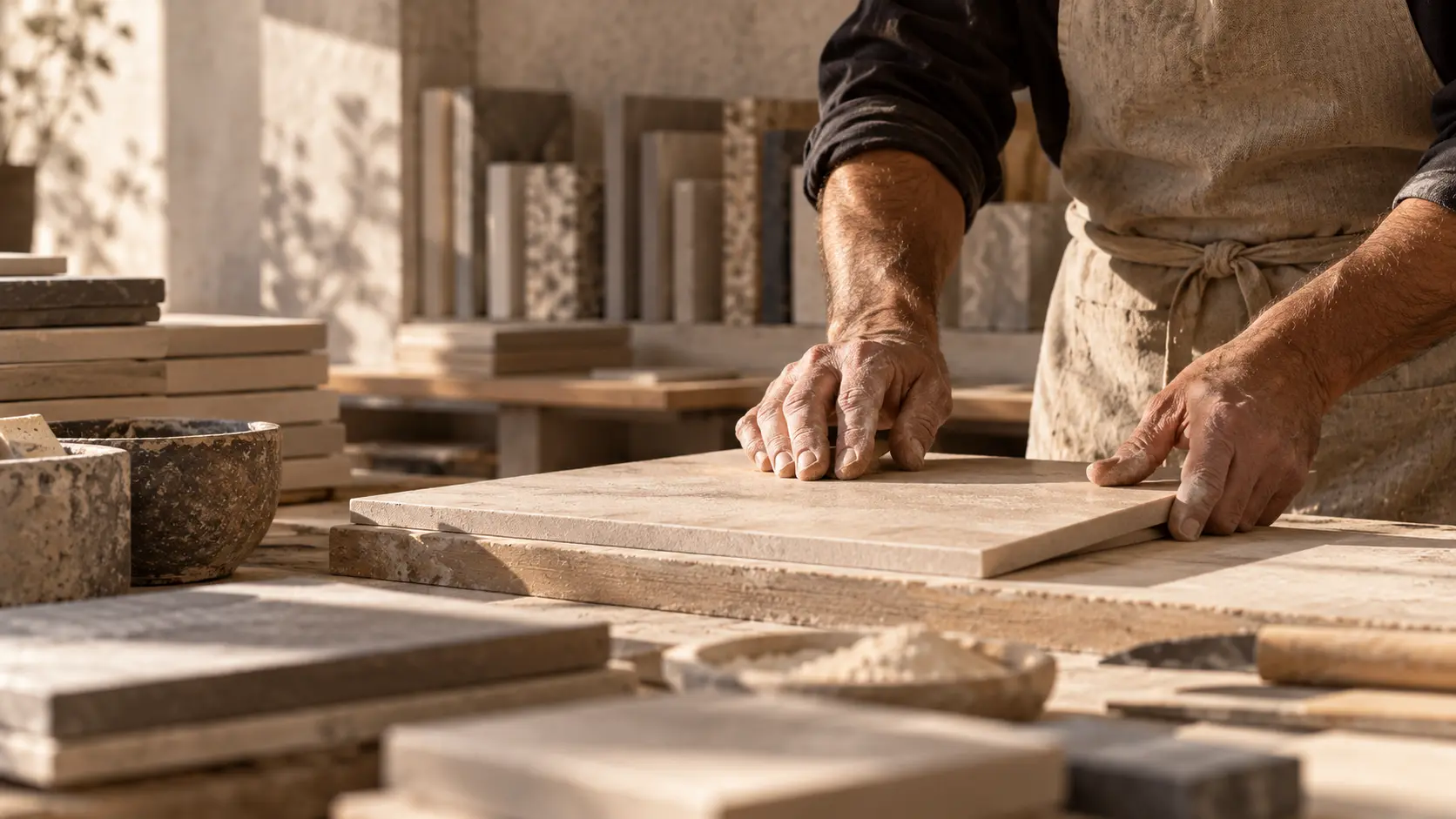
Close-up of an artisan's hands working on a ceramic tile in a traditional workshop, surrounded by tools and material samples.
Why Ceramic Tile Brands Struggle to Differentiate
Repositioning a family ceramics business fails when it is treated as a cosmetic rebrand — and when it is postponed out of fear. Customers rarely leave because a brand tells a better story; they leave when service turns chaotic or the story stops being true. The repositioning that works starts from what the family genuinely owns, brings the existing channel into the change early, and treats design as proof of continuity with ambition — not rupture.
Bathroom, Fixtures & Sanitaryware
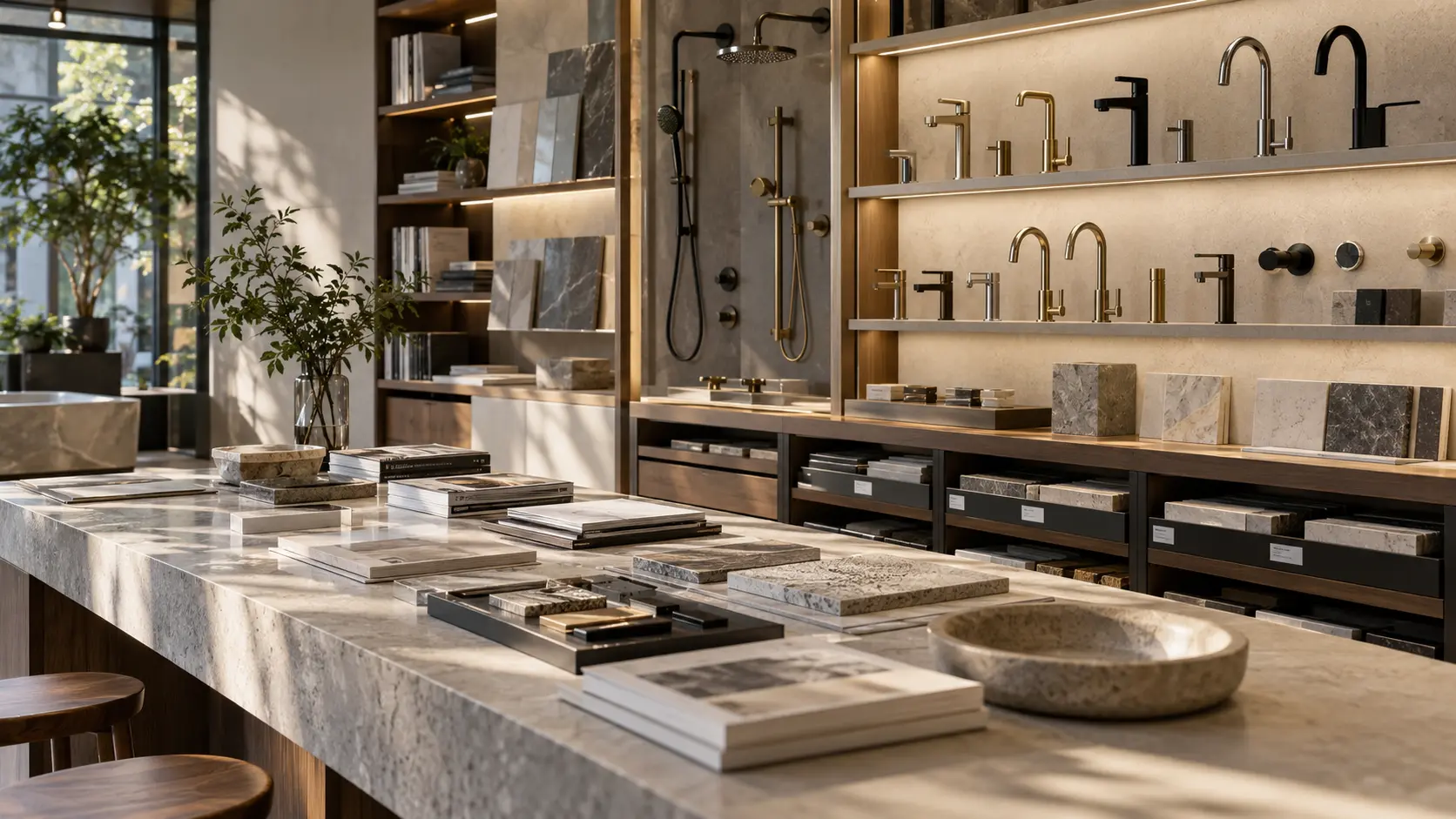
Contemporary bathroom fixture showroom with organized faucet and shower displays, material samples and product catalogues.
How to Get Your Bathroom Brand Recommended by AI Search
The bathroom is unusual: both the professional who specifies and the homeowner who pays now ask AI assistants which brands to consider. Getting named in those answers is not a technical exercise — AI systems recommend brands whose positioning is written, whose claims are verifiable, and whose name is corroborated across the sector’s trusted sources. It is brand management, performed in public, with a new and very literal reader.
Ceramic & Porcelain Tile
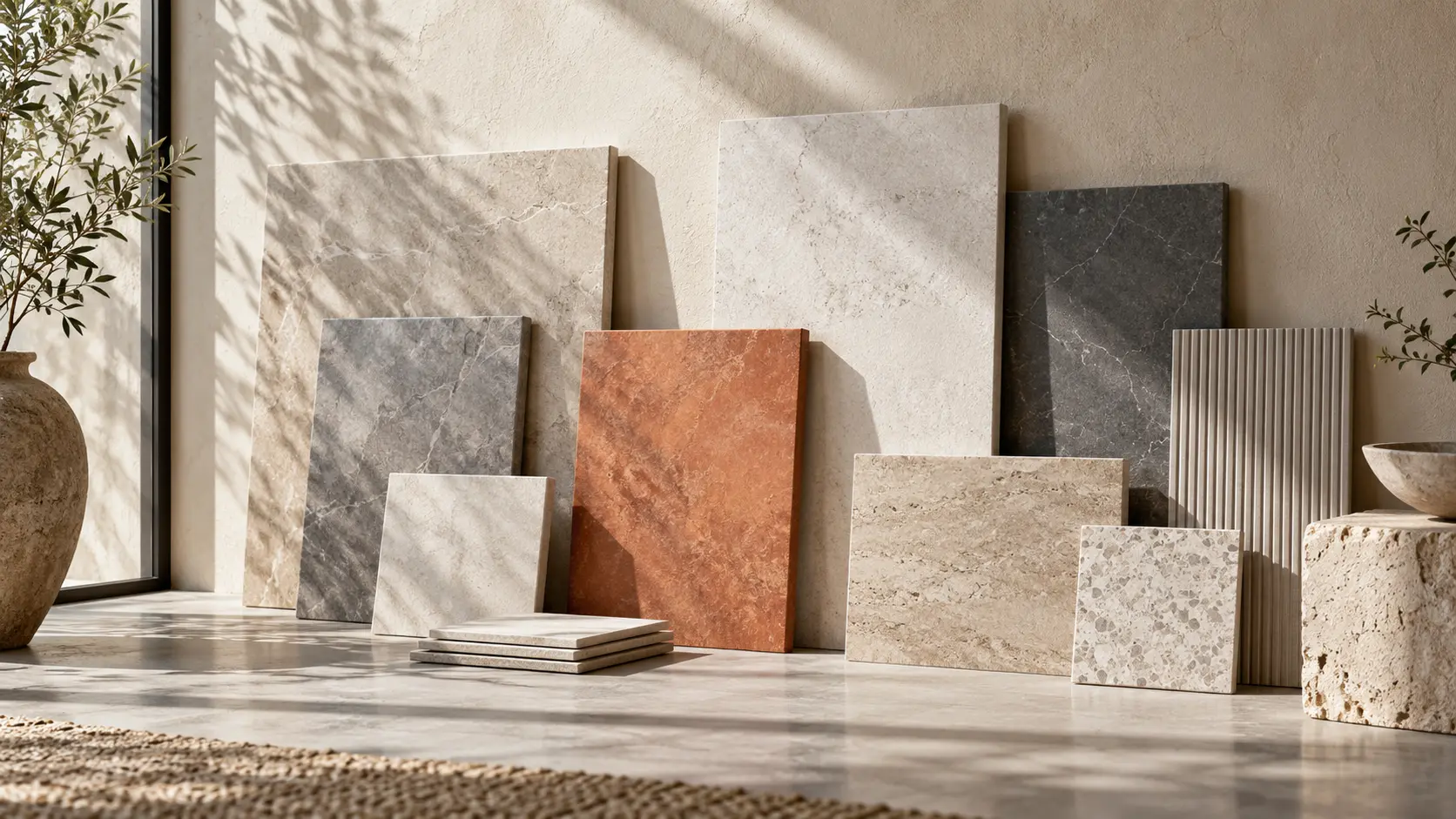
Curated ceramic and porcelain tile samples in neutral stone finishes and terracotta, arranged against a textured wall.
Why Ceramic Tile Brands Struggle to Differentiate — And What Changes When They Do
Most ceramic tile brands are not failing on product; they are failing on perception. Four positioning patterns — the technical excellence trap, the catalogue mirror, the distributor’s shadow and the heritage default — keep technically superb manufacturers locked in price competition. Breaking the cycle is deliberate brand work: a position competitors cannot copy, made visible through identity, catalogue and digital presence.
Bathroom, Fixtures & Sanitaryware
Interior designer developing a bathroom concept with faucet references, porcelain finish samples, material swatches and architectural drawings for a residential project.
How to Position Bathroom Fixtures for Architects and Designers
Architects do not specify the best fixture; they specify the one they can defend, document and trust. Positioning for specification means removing every reason to hesitate — evidence that survives scrutiny, imagery that makes their project look better, documentation available without asking, and a brand presence that reaches them during research, not after it.
Pavers & Outdoor Surfaces
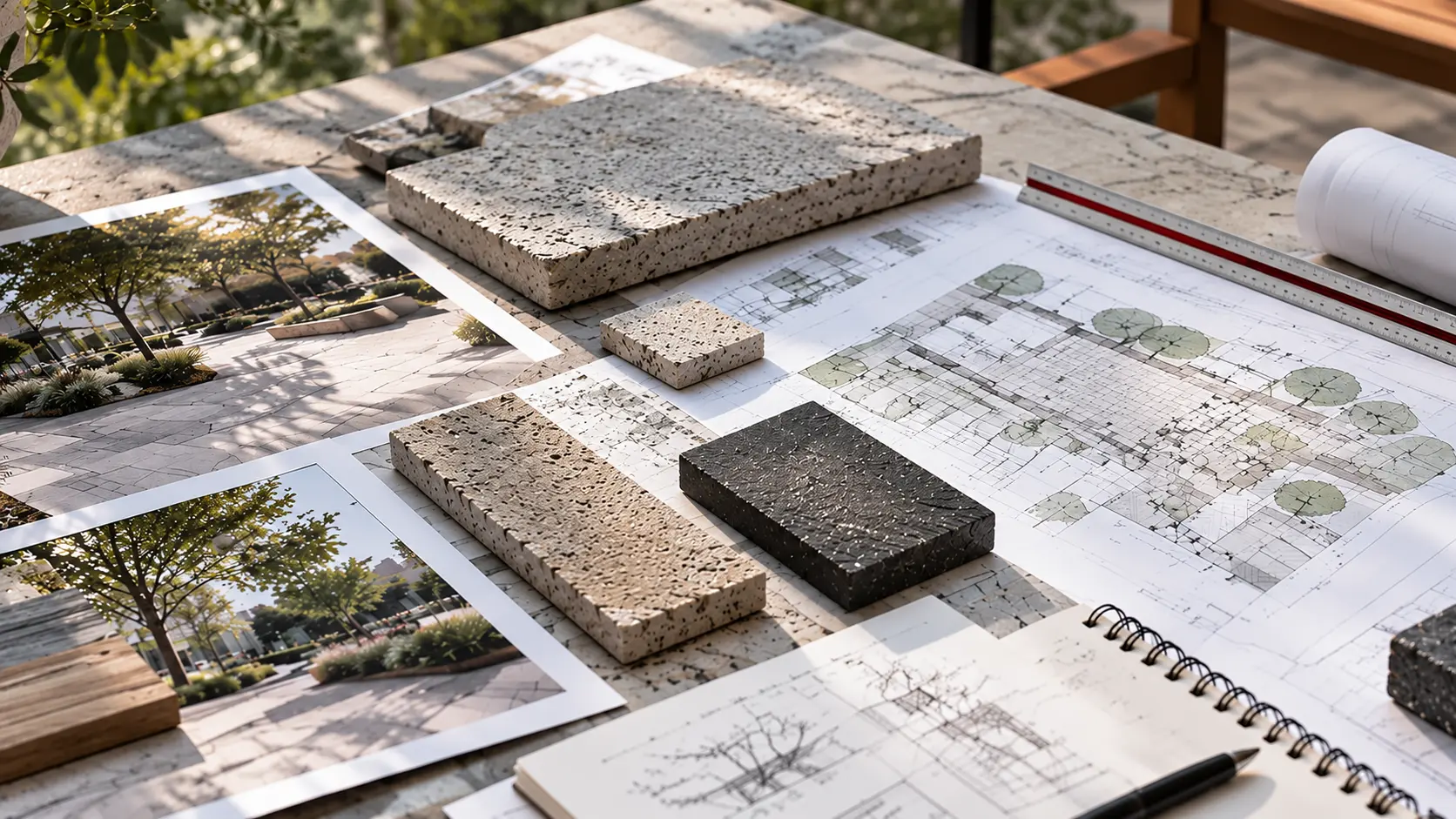
Landscape architecture design workspace with concrete paver samples, site plans and reference photographs for an outdoor paving project.
How to Market Pavers to Landscape Architects
A landscape architect chooses surfaces twice: once as a designer building a vision, once as a professional managing risk. Winning the specification means serving both — a design story and imagery worth building a concept around, and the technical files, compliance evidence and support that make defending the choice effortless. Brands that serve only one half get admired, or approved, but rarely built.
Ceramic & Porcelain Tile
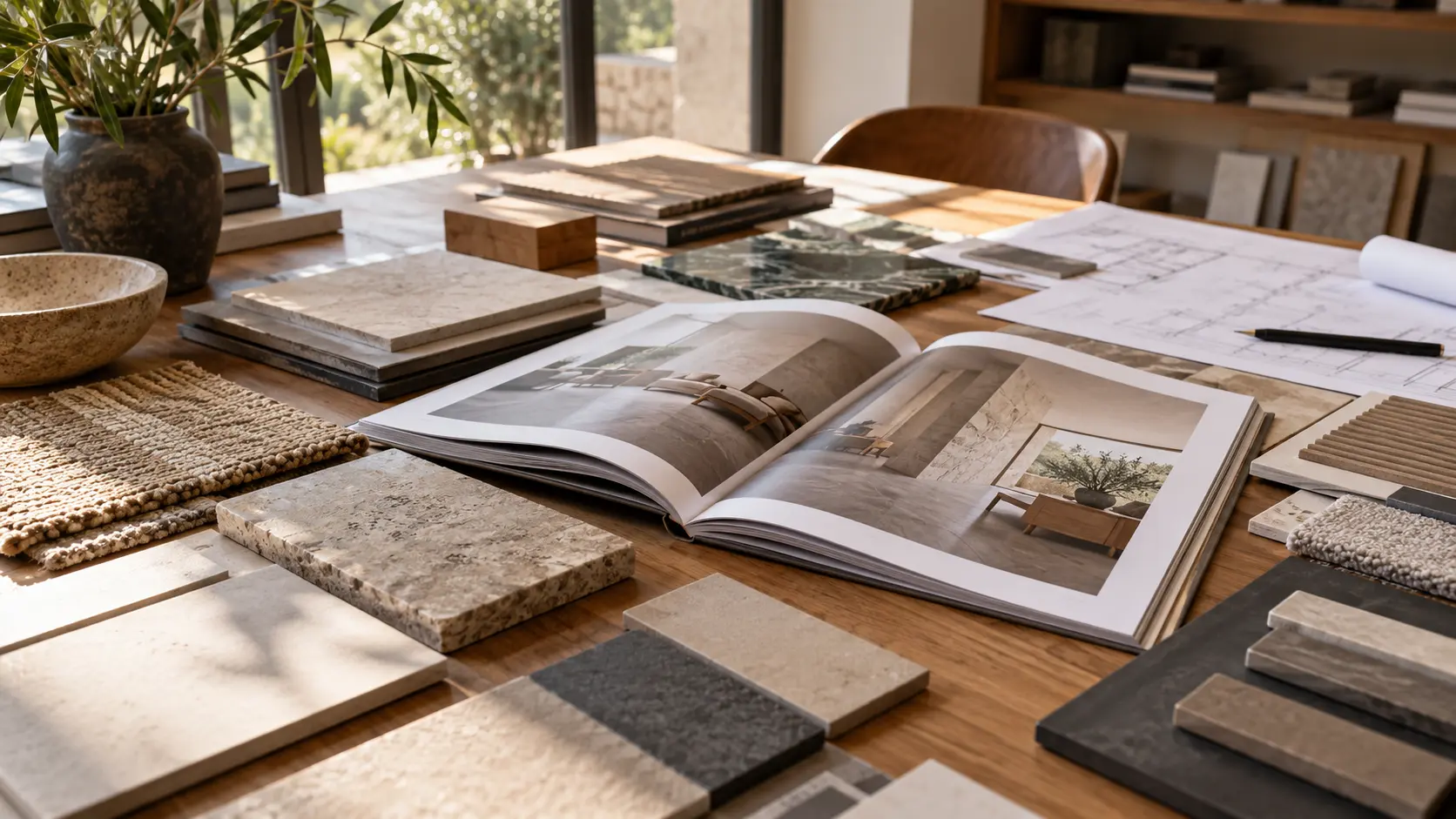
Architectural design workspace with an open design catalogue, ceramic tile samples and material references arranged on a wooden table.
Digital Marketing for Ceramic Tile Manufacturers: What Actually Works
Digital marketing fails in ceramics when it imitates consumer brands: pretty feeds, generic campaigns, a blog nobody reads. What works is built around how tile is actually bought — architects, distributors and contractors researching quietly, comparing brands online and shortlisting before any contact. The manufacturers winning digitally are the ones whose websites specify, whose content gets used, and whose brands appear where the research happens.
Bathroom, Fixtures & Sanitaryware
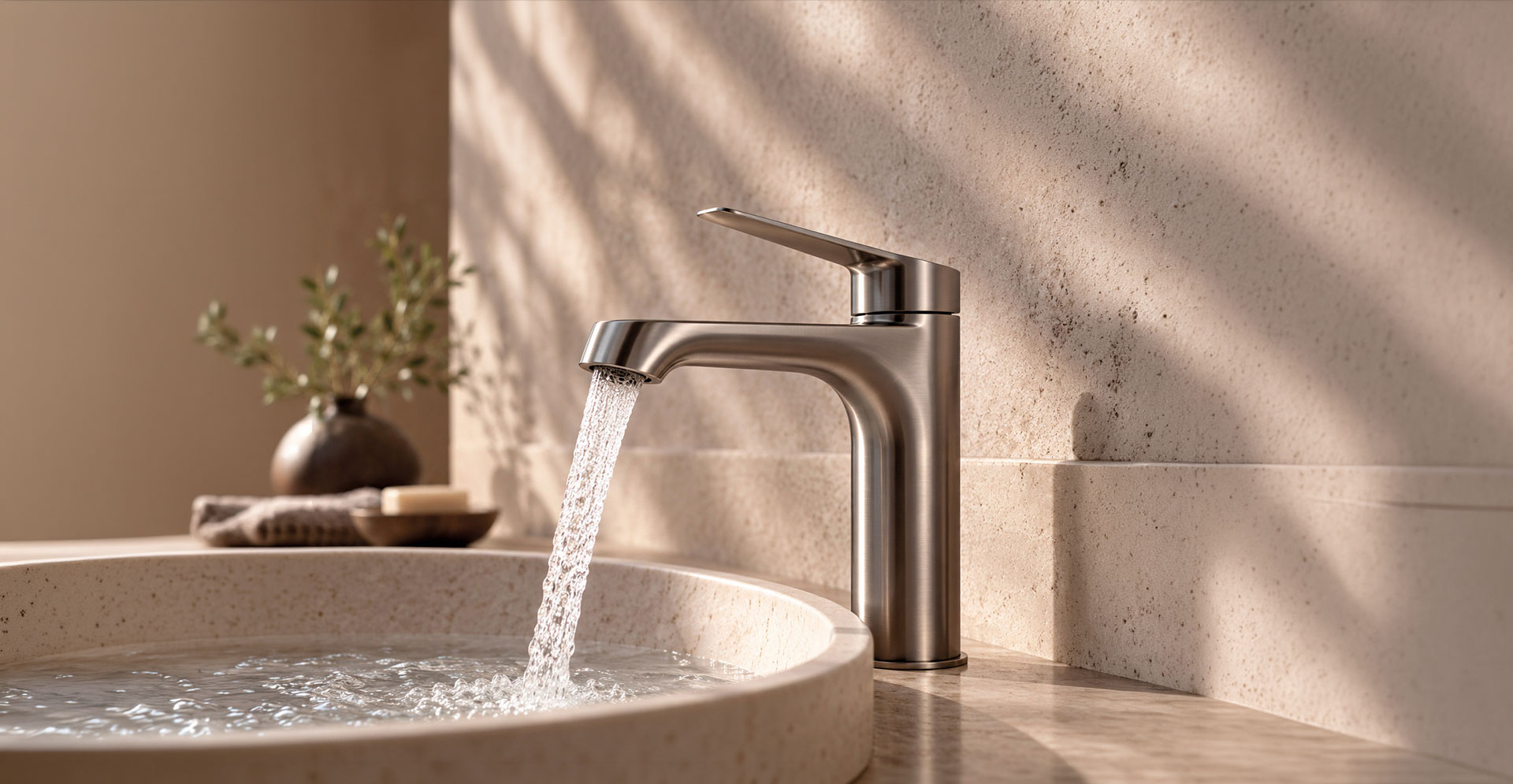
Water flowing from a brushed metal bathroom tap into a stone basin in a naturally lit bathroom.
How Water Efficiency Is Redefining Bathroom Brand Positioning
Water efficiency is following the path every performance claim eventually takes: from advantage, to expectation, to requirement. The brands that built their positioning on litres per minute are about to discover that the whole category will soon make the same claim. What survives commoditised performance is meaning — what the brand believes water should feel like, and how convincingly its design, imagery and evidence prove it.
The Discovery Journey

Markets rarely announce their turns. The brands that grow are the ones reading the signals early — and building while their competitors are still debating.

VXLAB turns what your market is telling you into positioning, identity, content and demand — starting with a three-day Discovery Journey.

Frequently Asked Questions

Market Knowledge is VXLAB’s approach to strategic intelligence in the architectural materials industry: understanding sector trends, buyer behavior, competitive positioning and digital visibility — and converting that understanding into brand strategy, design and communication decisions. It is published openly here, sector by sector, as a working resource for the industry.

For the people who decide what a materials brand does next: owners, CEOs, marketing and export directors of manufacturers and distributors, and the organizers of sector events — in ceramic and porcelain tile, bathroom and sanitaryware, pavers and outdoor surfaces, stone and engineered materials, wood and visible finishes. In any market worldwide.

Three things. VXLAB only works in architectural materials, so the sector knowledge is real, not researched for the pitch. It operates as consultancy, creative studio and production house at once — strategy that ends in identities, catalogues, stands, campaigns and digital experiences, not in a slide deck. And it believes design is not the last step of strategy; it is half of it. Instilling design culture in a materials company is what earns the recognition of architects and designers.

No. Ceramic is one of six verticals, each with its own dedicated hub: bathroom and sanitaryware, pavers and outdoor surfaces, stone and engineered materials, wood and visible finishes, and trade fairs. The method is the same everywhere; the tensions of each sector are not — which is exactly why each one gets its own knowledge space.

By ending in decisions, not documents. Understanding how buyers choose in your category tells you what position to take; that position becomes identity, catalogue, fair presence, content and digital visibility; and that visibility puts you in the shortlists that today are written before you are ever contacted. Data is the starting point. The brand is the deliverable.

With a discovery conversation about your market, your positioning and your goals. From there, most engagements begin with the Discovery Journey — three days that turn market signals into a clear strategic direction for the brand.
Abstract black metallic ribbon forming a continuous sculptural loop.
X