VXLAB helps paver and outdoor surface brands compete where the category is actually decided: in the homeowner’s imagination, the contractor’s recommendation and the landscape architect’s specification. Positioning built on outdoor living rather than compressive strength, design and imagery that sell a way of life, and the digital presence that wins projects — in a US hardscaping market worth $4.4 billion (Freedonia, 2025) where the average patio is a $17,750 decision.
The paver industry solved its engineering decades ago and has been underselling it ever since. Freeze-thaw cycles, load ratinginterlock geometry — problems answered so thoroughly that every serious manufacturer can now promise a surface that outlives the house. And that is exactly the problem: when everyone guarantees forever, forever stops being an argument.
Meanwhile the buyer changed rooms. The patio stopped being the slab behind the house and became the house’s favourite room — furnished, lit, cooked in, photographed. An average American patio project now runs $17,750 (Techo-Bloc 2025 U.S. Contractor Survey), and decisions of that size are made the way people buy kitchens, not the way they buy aggregate: on lifestyle, on imagery, on trust in a name. With 57% of the market’s growth coming from residential (Freedonia, 2025), the category’s future is being decided by people who will never read a compressive strength table.
Most paver brands still speak to that buyer in the language of civil engineering, sell through dealer yards where every pallet looks the same, and leave their most influential salesperson — the contractor — without a brand worth recommending. Closing that gap is brand work: positioning, identity, photography, catalogues and displays that turn concrete into a way of living outdoors. In this category, the product is the room — and rooms are sold with design.
Key figures shaping the strategic reality of the pavers and outdoor surfaces industry — and what they mean for your brand.
The patio became a room, and value migrated from the material to the life lived on it. What that shift demands from a surface brand’s positioning, imagery and story.
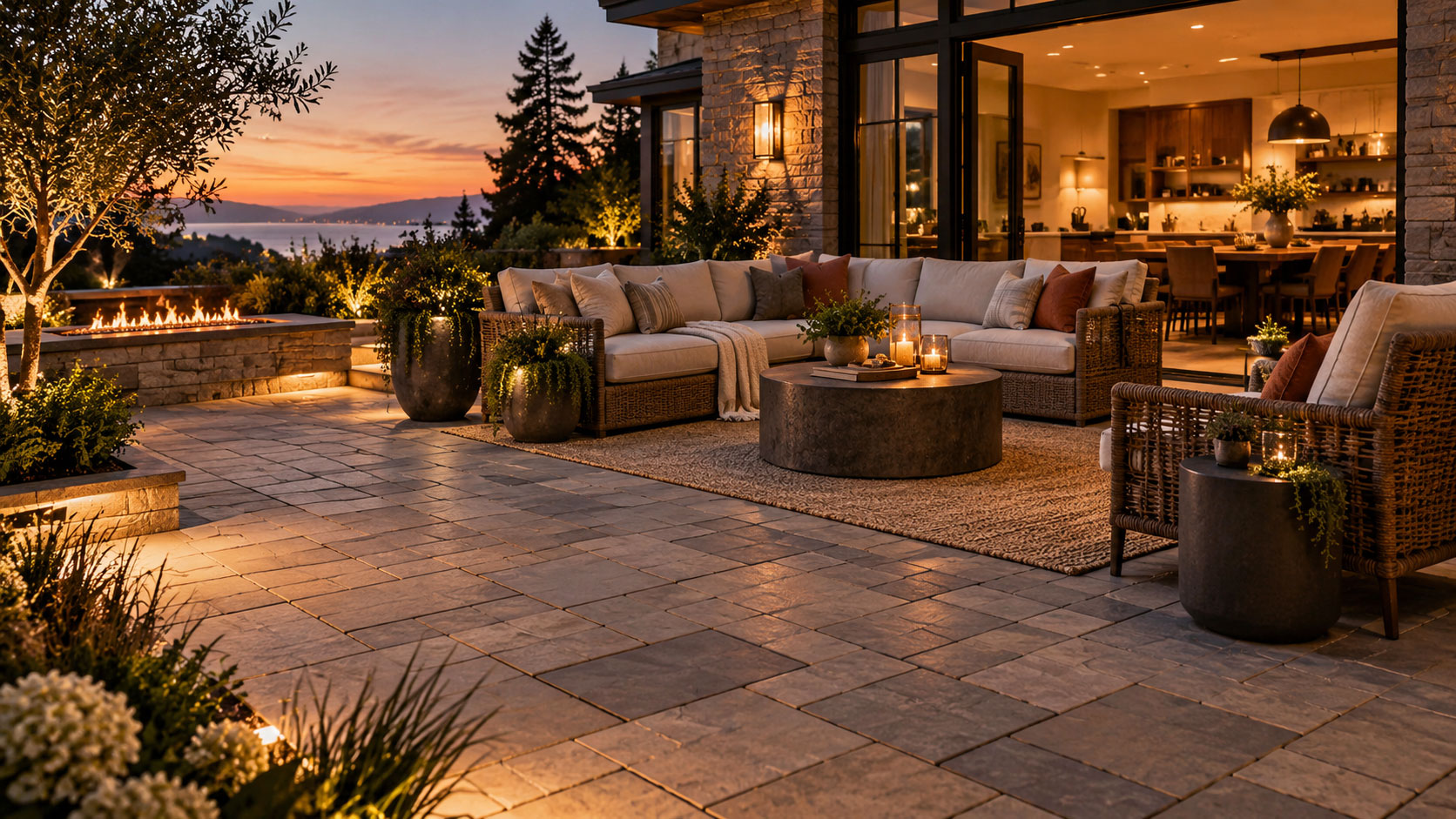
When every pallet promises forever, forever stops selling. What actually differentiates outdoor surface brands once durability becomes the category’s shared floor.
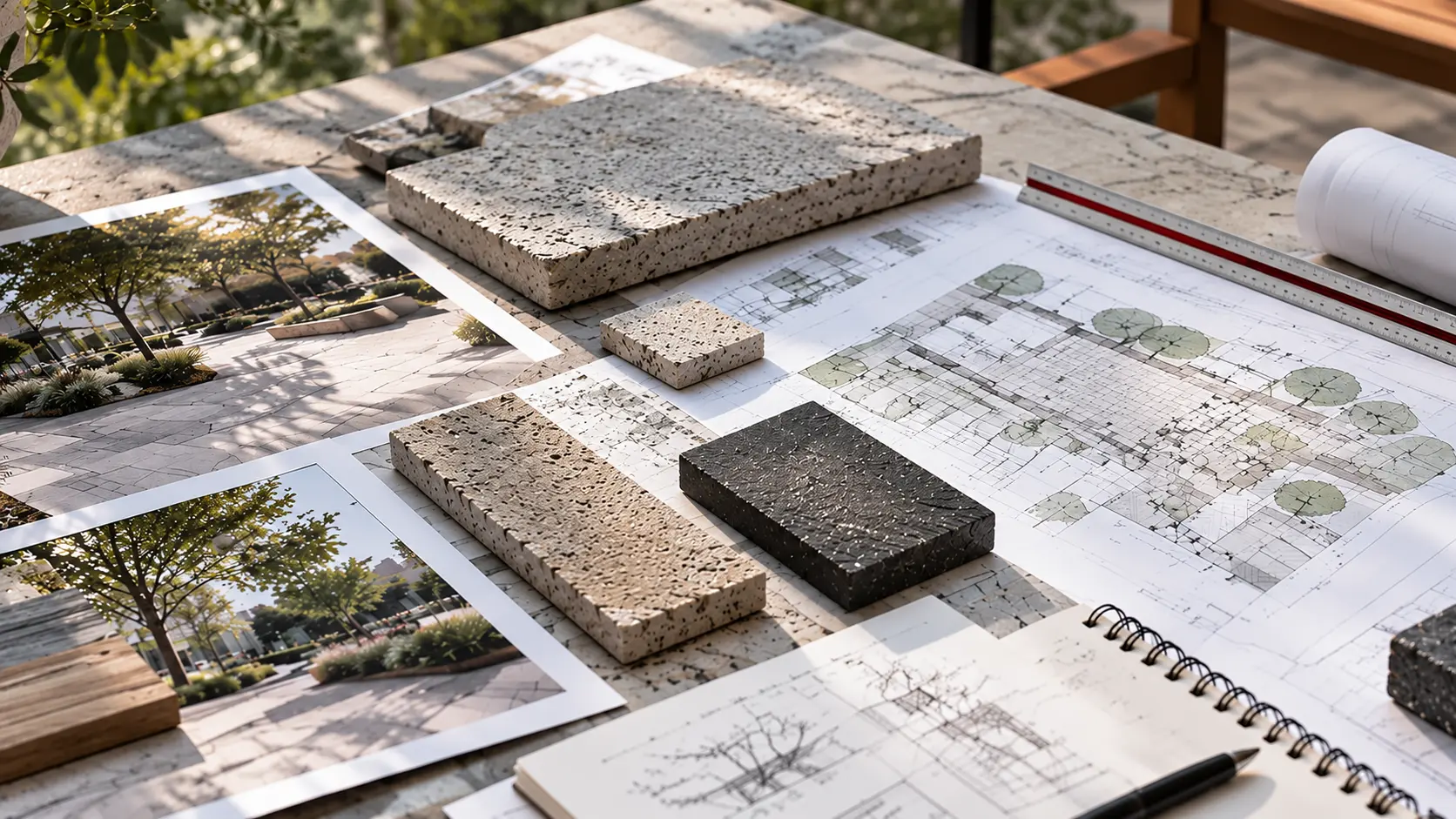
Landscape architects specify by risk and by vision. The documentation, compliance evidence and design story that put a paver brand into their drawings — and keep it there.
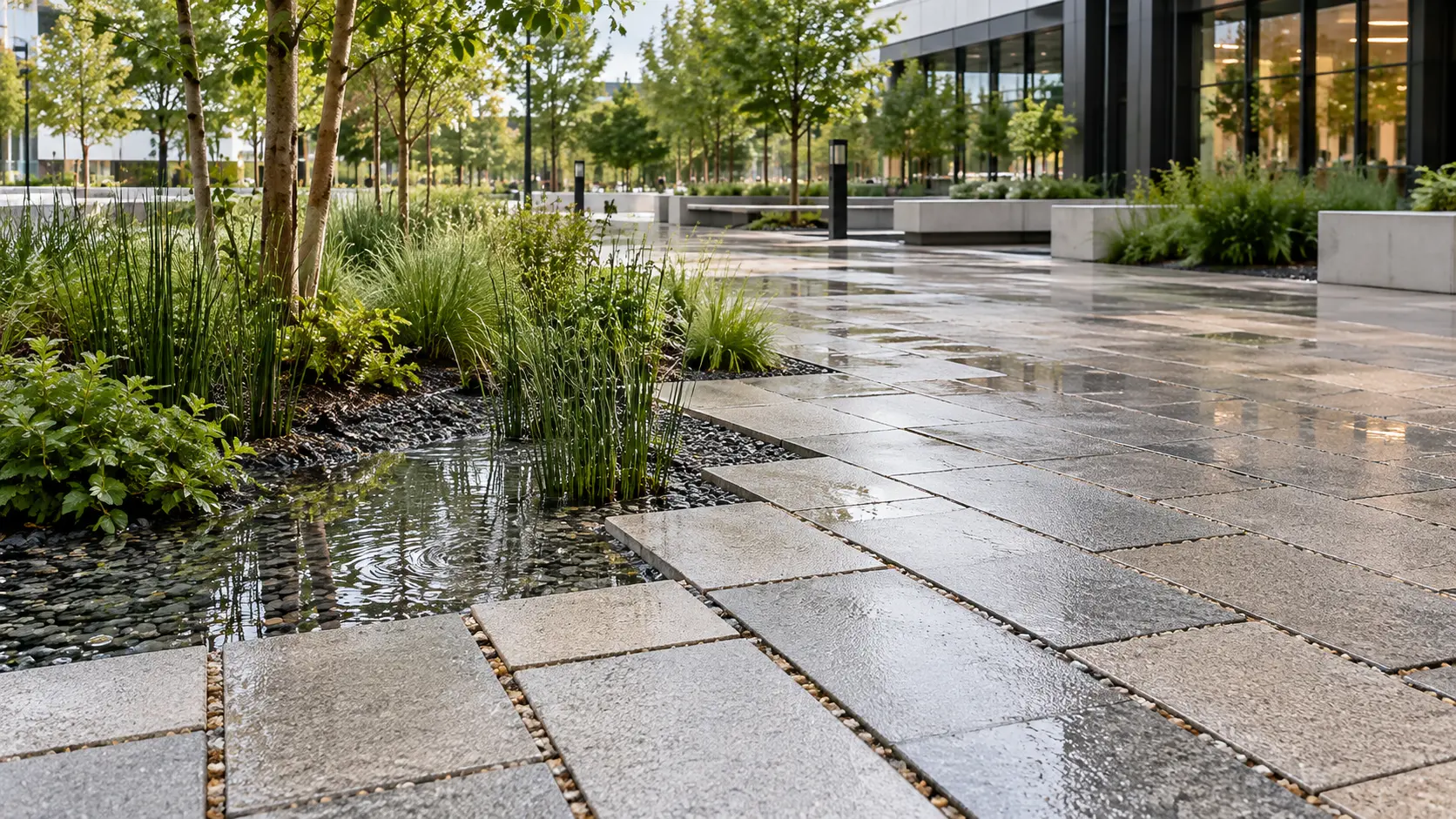
Heat, water and regulation are redrawing the category. Why climate is becoming a positioning axis — and why the brand that names the new category first tends to own it.
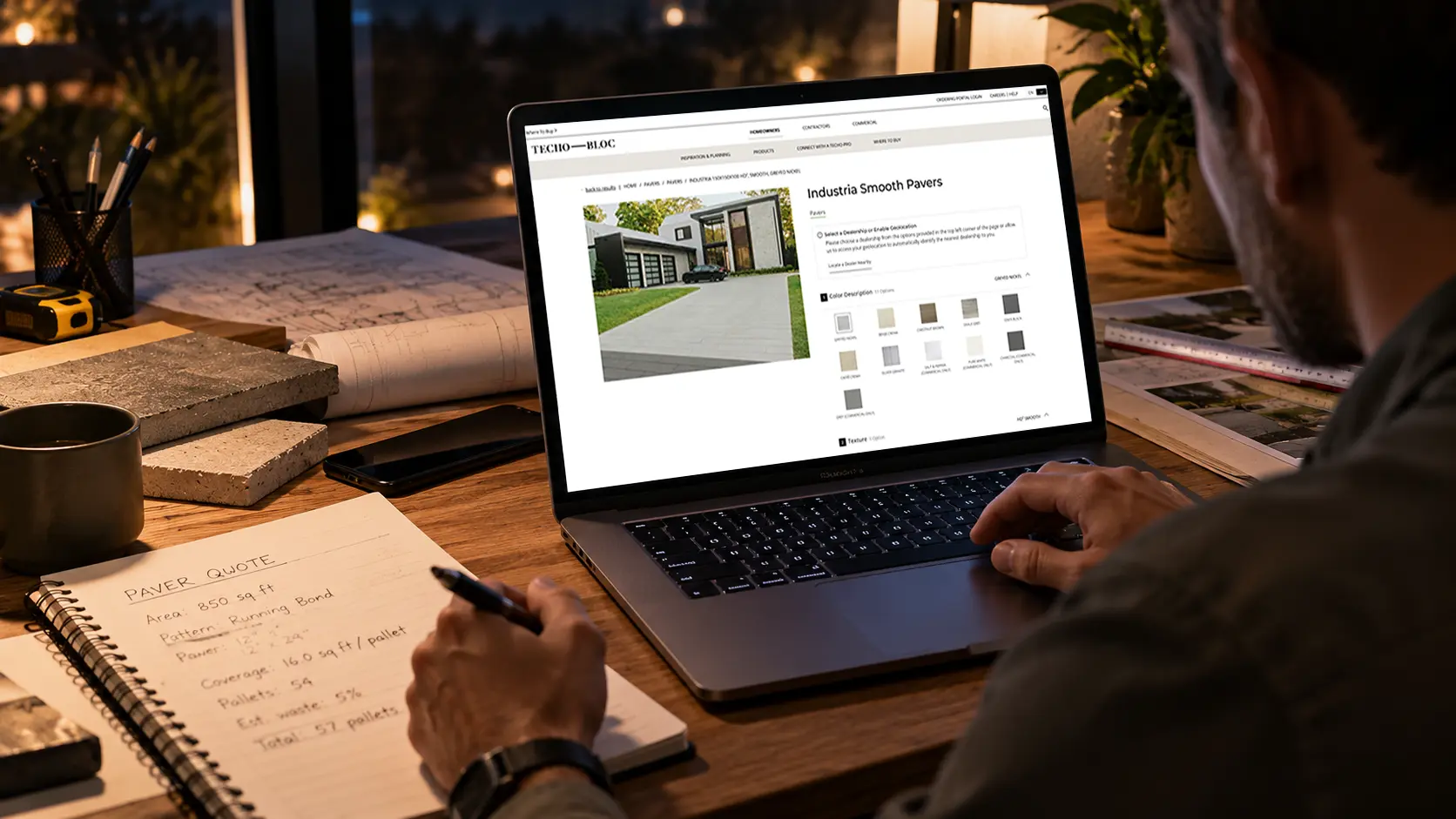
Contractors quote at night and homeowners dream on screens. The product data, visual tools and digital structure that make your brand the easiest one to choose.
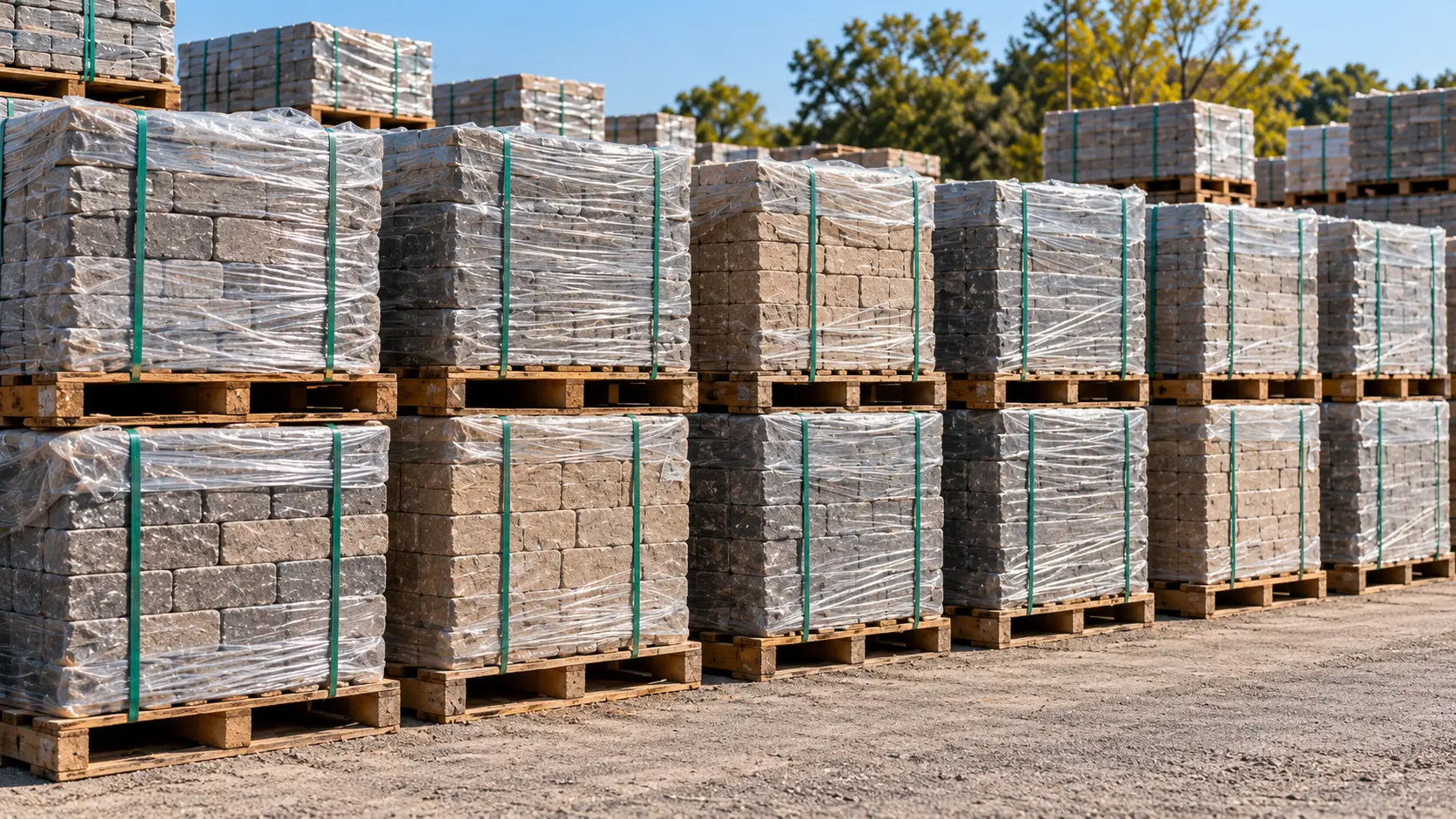
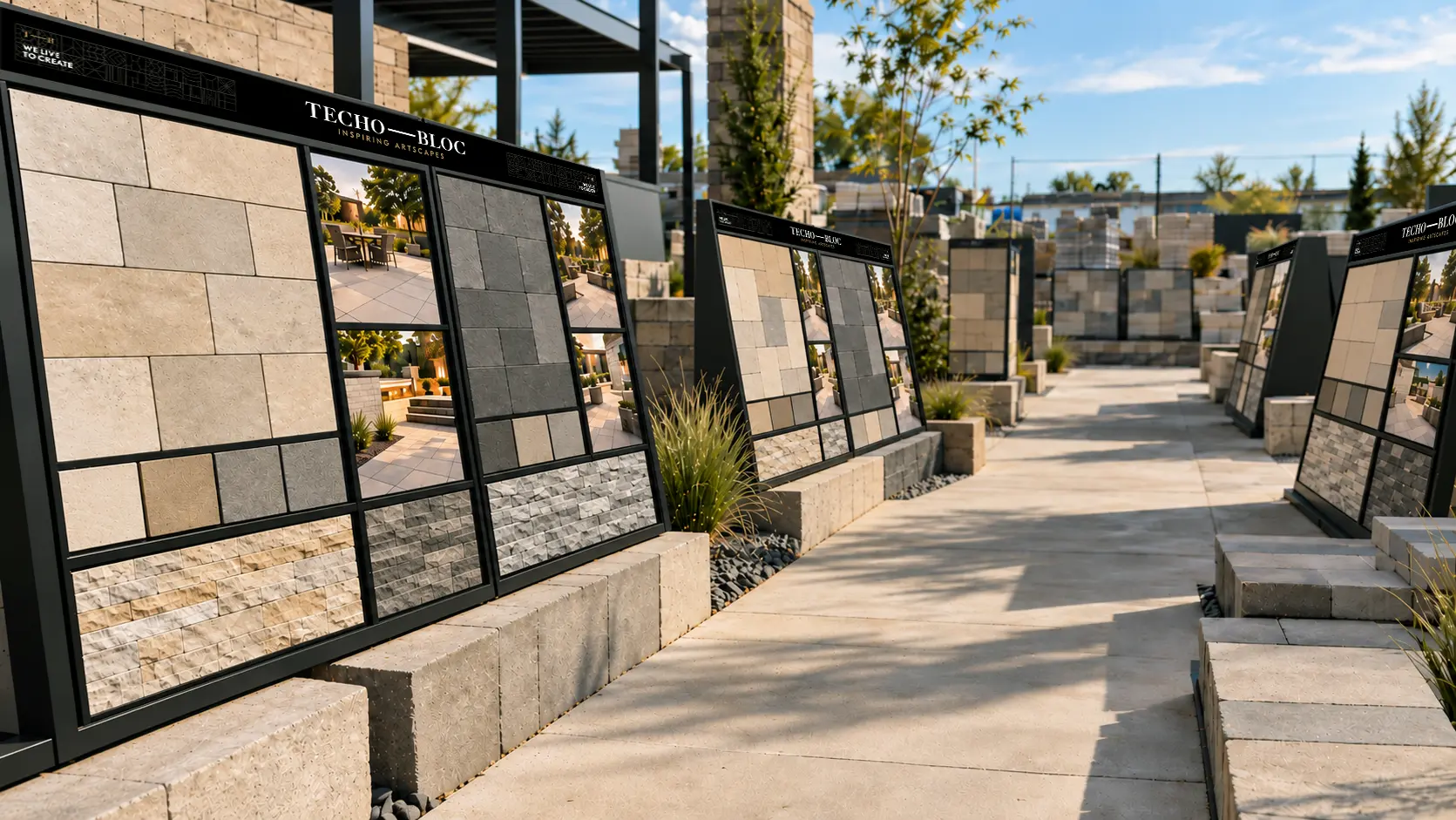
The pallet problem: a category sold stacked, named like inventory and displayed in yards where every brand looks alike. How outdoor surface brands escape anonymity.
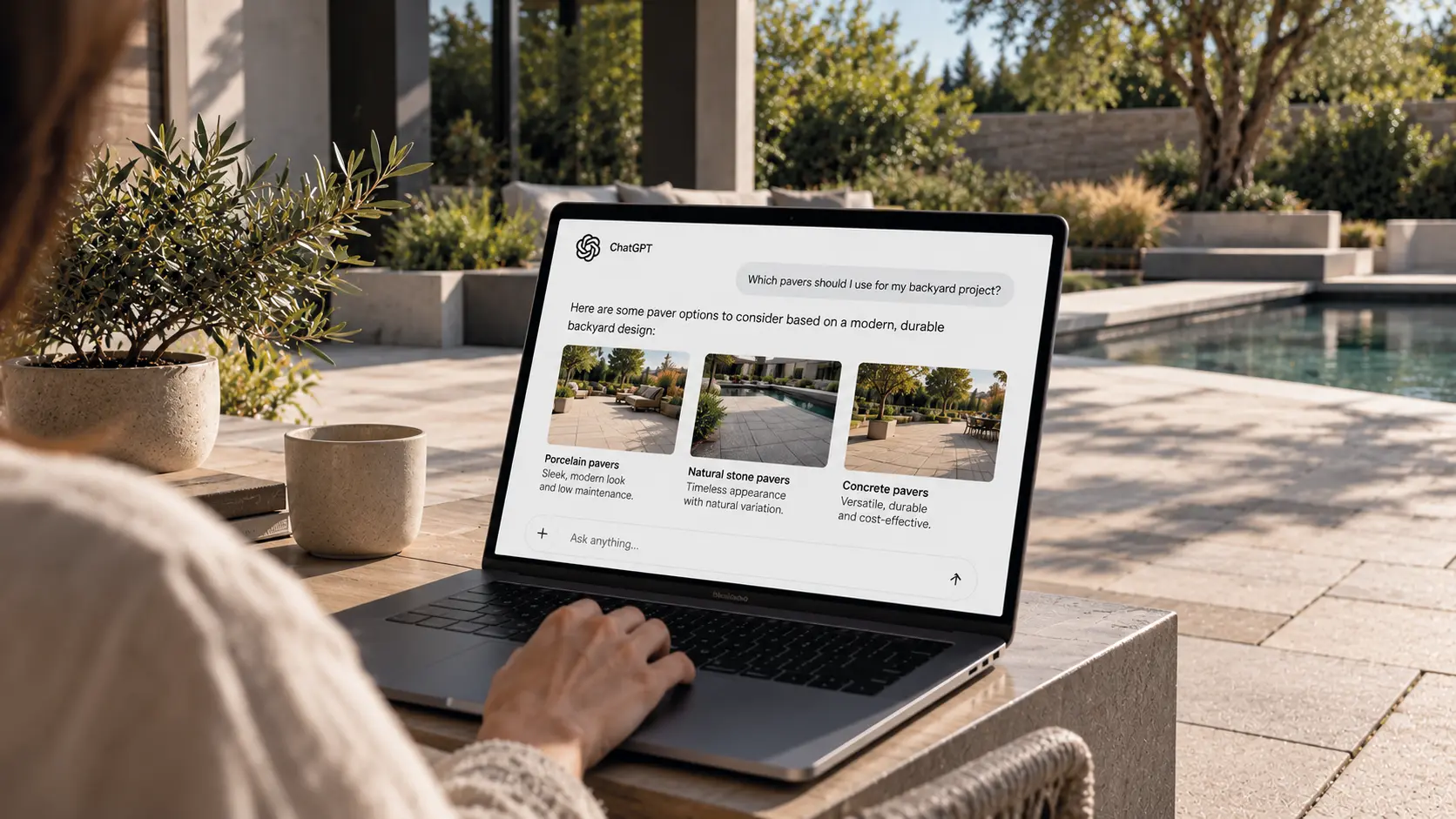
Homeowners and contractors now ask AI what to build with. How paver brands become the names in the answer — a brand and evidence discipline, not a technical trick.
VXLAB combines market knowledge with brand building for the outdoor surfaces industry: positioning strategy, brand identity, catalogues, photography and display systems, contractor-facing brand programs, and the digital visibility work that reaches homeowners, contractors and landscape architects — including the AI answers they increasingly consult.
Three people, in shifting order: the homeowner who funds the dream, the contractor who recommends and installs, and — in commercial and municipal work — the landscape architect who specifies. Most paver marketing speaks to only one of them. Brands that win build desire with the homeowner, loyalty with the contractor and confidence with the specifier, with one coherent identity across all three.
Not with strength claims — the category solved durability long ago and every competitor makes the same promise. Differentiation comes from design language (colour, texture, format, naming), from imagery that sells the life on the surface rather than the surface, from the contractor experience, and from a brand world coherent enough to survive a dealer yard. It is a design and positioning project.
Because the product is sold stacked on pallets where brands are invisible, named like inventory codes, and quoted by contractors in bundles. When nothing differentiates at the point of decision, the quote decides. The way out is building preference before the quote: with the homeowner who asks for a name and the contractor who defends it.
It decides the category now. With 57% of market gains coming from residential (Freedonia, 2025), the growth buyer chooses outdoor surfaces the way they choose interiors: by how the space will look, feel and photograph. Brands that invest in design — of product, imagery, catalogue and display — are selling in the buyer’s language. Brands that lead with load ratings are asking that buyer to translate.
An opportunity, for whoever moves first. Stormwater rules and permeable surface requirements are creating new categories in North American markets — and new categories reward the brand that names and explains them before competitors do. Regulation writes the demand; positioning decides who collects it.
With a discovery conversation about your market, your positioning and your goals. From there, most outdoor surface brands begin with the Discovery Journey — three days that turn market signals into a clear strategic direction for the brand.


Immerse yourself in our growth flow and receive newsletters about our projects, market trends, cultural insights, and industry news.