VXLAB helps ceramic and porcelain tile manufacturers turn market knowledge into brand advantage: positioning that distinguishes them from technically similar competitors, identities and catalogues that architects remember, and the digital visibility needed to capture distributor and specifier attention. This is critical in a market where B2B buyers complete an average of 61% of their journey before contacting sellers, and nearly 80% ultimately choose the vendor they already preferred at that stage.
The ceramic tile industry has a strange relationship with its own excellence. Factories across Spain, Italy, India, Turkey, Brazil and China produce technically superb material — and most of it reaches the market looking, sounding and selling exactly like the tile from the factory next door.
This is the sector’s core problem, and it is not a production problem. When products appear interchangeable, the buyer’s decision defaults to price, availability and existing relationships. Margins compress. Strategic control moves from the manufacturer to the distributor. Even brands with world-class capacity end up trapped in commodity competition — not because their product is worse, but because their perception is weaker.
And perception is built, deliberately, or inherited by default. It is built with positioning that says something competitors cannot copy, with an identity and a catalogue that architects keep on the shelf, and with the digital presence to be found — and increasingly, cited by the AI systems specifiers now use to research materials. Ceramics sells to architects and designers, professionals who read a brand’s design culture the way engineers read a spec sheet. That is the work. The factory alone has never been the brand.
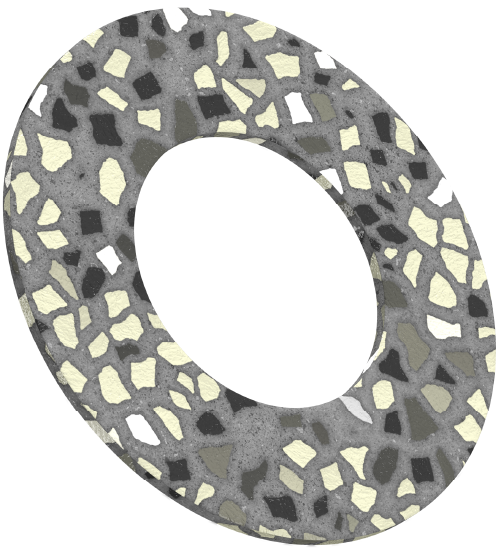
Key figures shaping the strategic reality of the global ceramic tile industry — and what they mean for your brand.
Four positioning patterns keep technically excellent tile brands locked in price competition. This analysis names them — and maps what changes when a brand finally breaks the cycle.
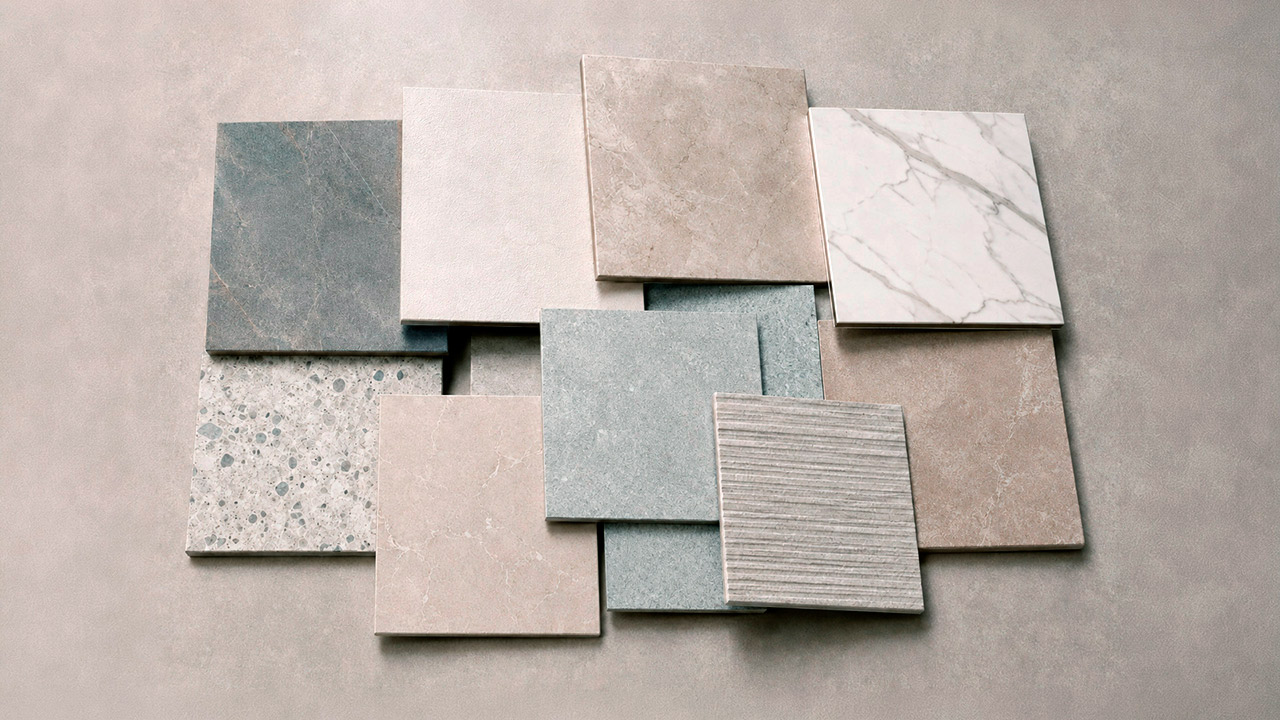
When a cheaper competitor keeps winning, the problem is rarely their price. What buyers are actually comparing — and the positioning decisions that put perceived value back on the table.
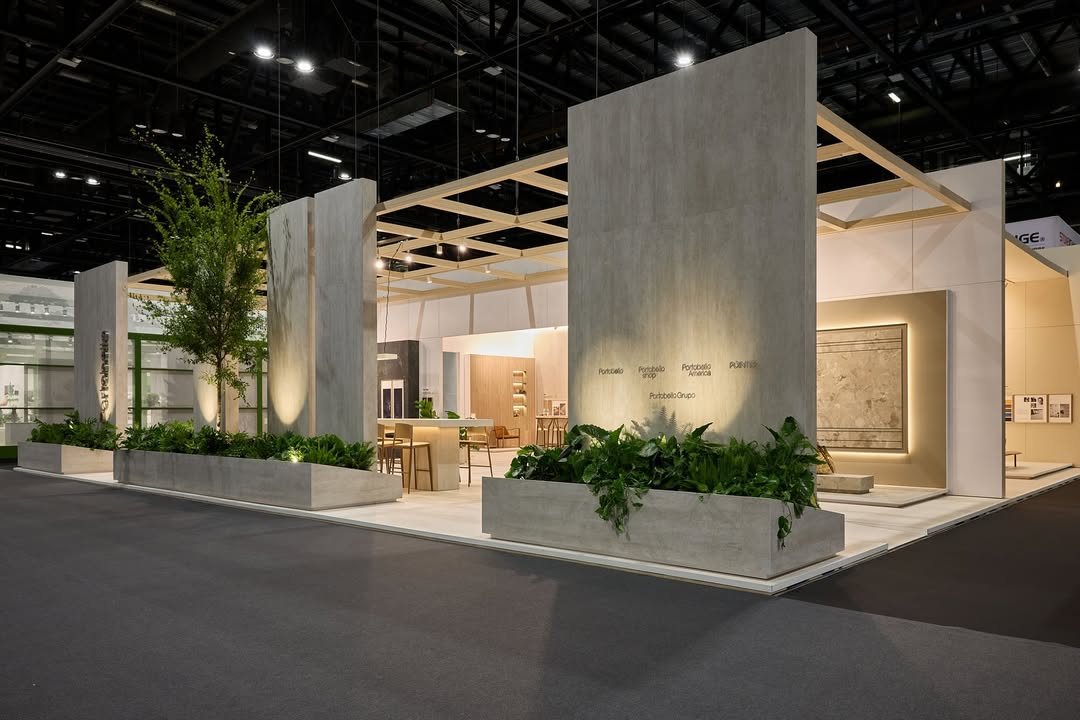
The channels, content and buyer journeys that generate qualified leads for tile manufacturers — and the ones that quietly burn budget without ever reaching a specifier.
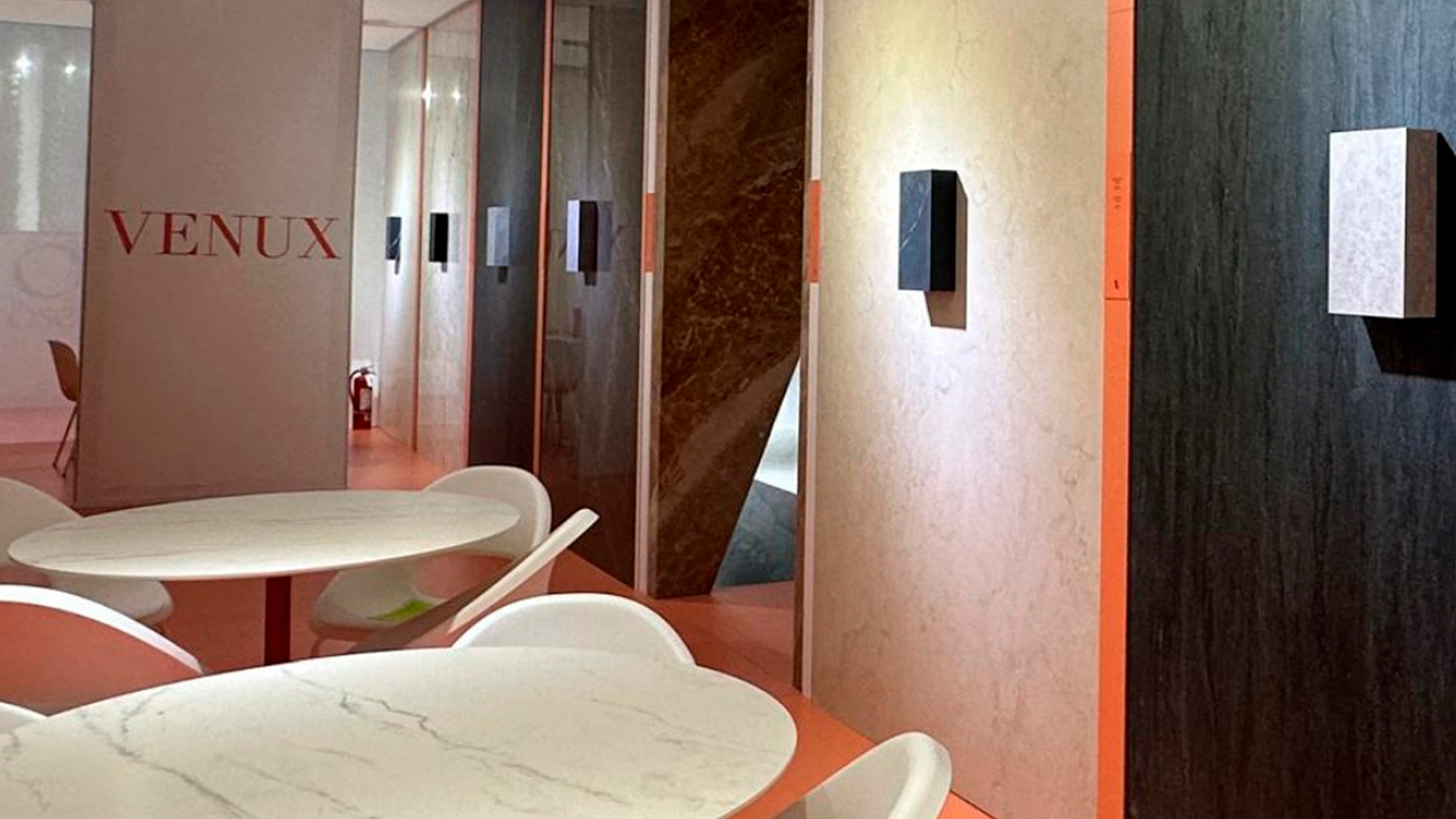
The visibility principles that decide whether architects and distributors find you or your competitor — from search structure to the AI systems specifiers now ask.
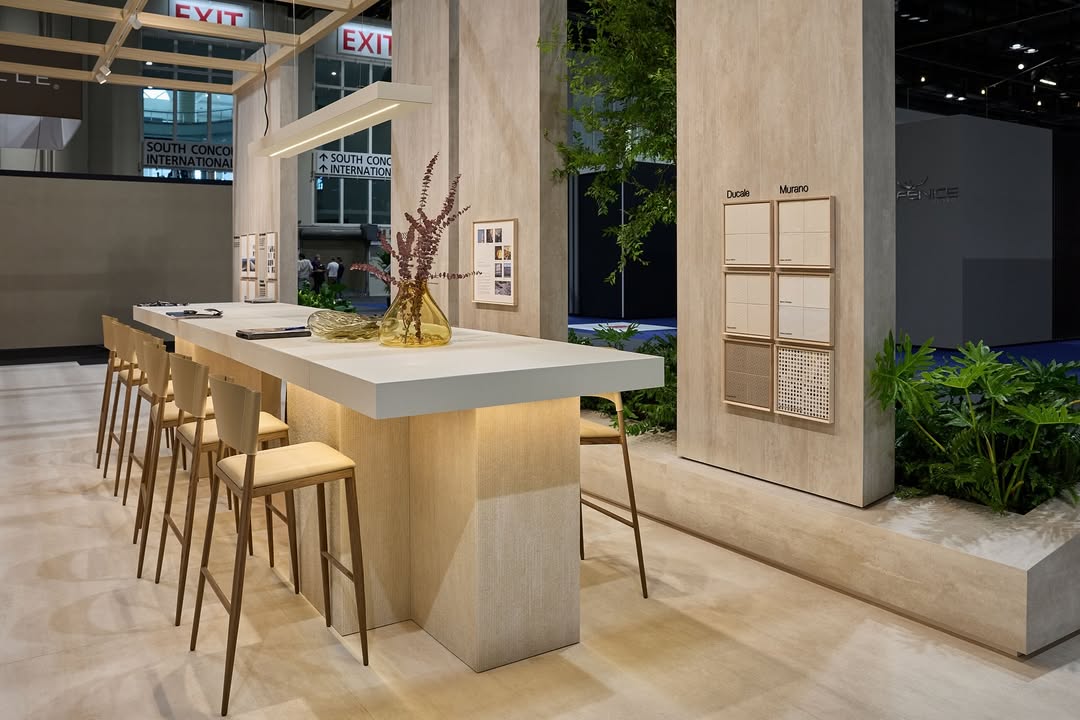
Distributors shortlist brands online long before the first meeting. How to build the export positioning, messaging and digital credibility that win their attention.
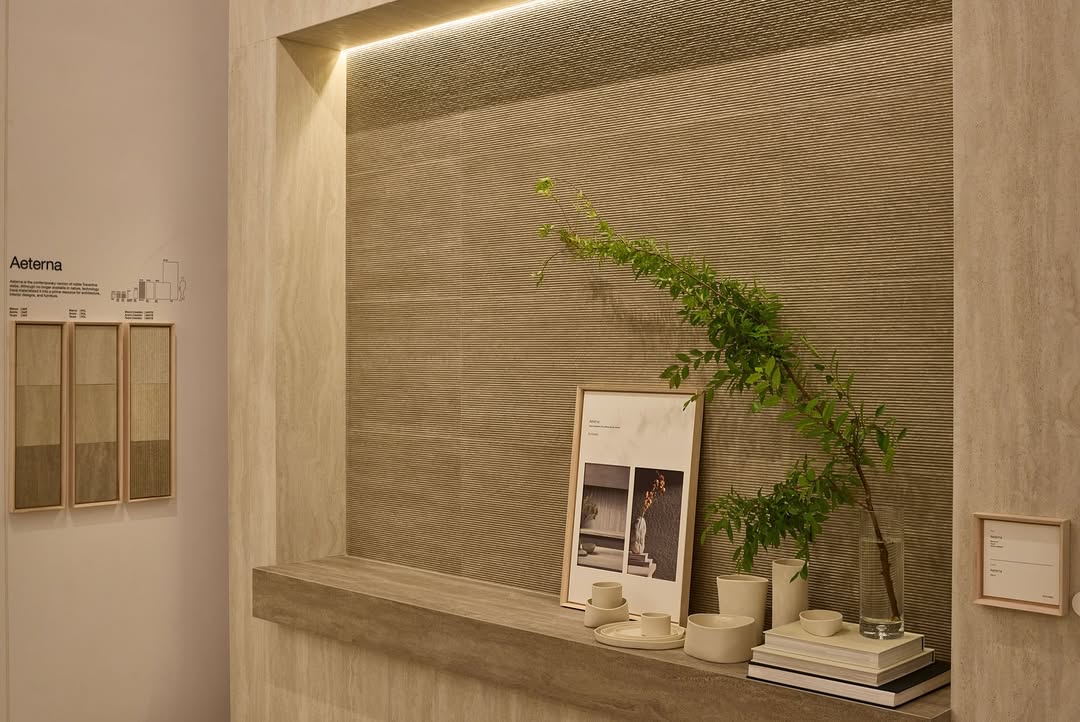
Modernizing a family tile brand without burning the trust that built it. What to sharpen, what to keep, and how to carry three generations of ceramics into today’s market.
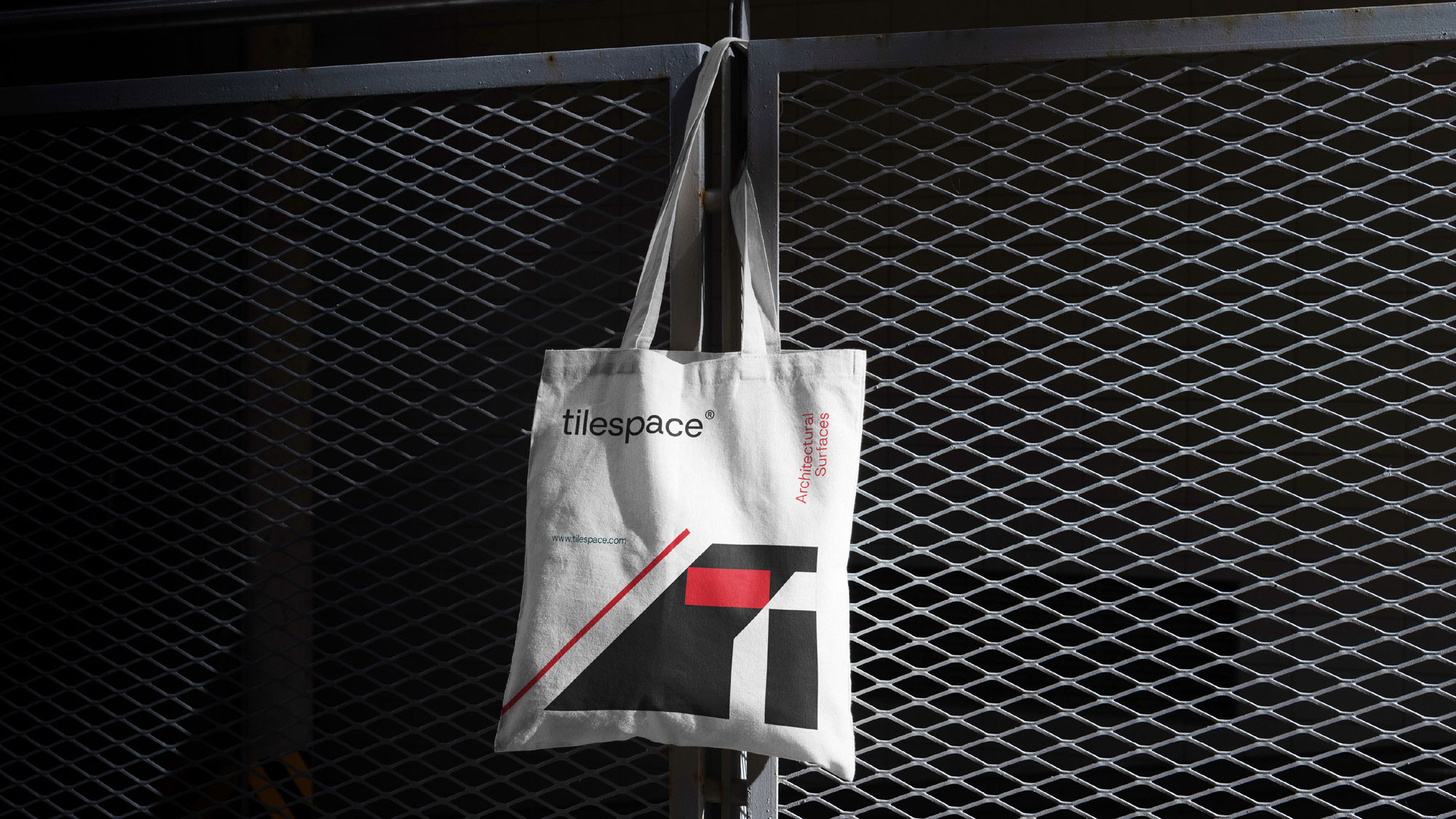
VXLAB combines market knowledge with brand building for the ceramic industry: positioning strategy, brand identity, catalogues and product storytelling, trade fair presence, and the digital visibility work that puts a tile brand in front of architects, distributors and specifiers — and increasingly, in the answers AI systems give when someone researches materials.
Not by claiming quality, innovation or design — every brand in the category already does, which is precisely why those words have stopped working. Differentiation comes from a positioning competitors cannot honestly copy, expressed consistently through identity, catalogue, showroom, fair presence and digital content. It is a perception project, it is design work as much as strategy work, and it is deliberate.
Because when a buyer cannot perceive a meaningful difference between two technically excellent tiles, price is the only variable left. Price wars in ceramics are almost never a product problem; they are a positioning vacuum. The brands that escape them are the ones that give architects and distributors a reason to prefer them before the quotation stage.
Mostly before anyone from your company knows they exist. Around 70% of the B2B purchase decision is complete before first contact (6sense, 2023): specifiers research online, compare digital catalogues, ask AI systems, and shortlist. If your brand is not visible and credible at that stage, the conversation happens without you.
Yes. VXLAB works with materials brands across continents — Europe, North America, Latin America and Asia — and the ceramic industry’s strategic challenges are remarkably consistent everywhere: saturation, price pressure and the need to build perception beyond production. The answers, however, must be built for each brand’s market. That is the point of Market Knowledge.
It should modernize precisely by using its identity. Heritage, personal relationships and manufacturing culture are assets most competitors cannot claim — the mistake is hiding them behind a generic “modern” rebrand. Repositioning a family business is careful work: sharpening what is true and valuable, and redesigning how it looks, speaks and sells for today’s buyer.
With a discovery conversation about your market, your positioning and your goals. From there, most ceramic brands begin with the Discovery Journey — three days that turn market signals into a clear strategic direction for the brand.


Immerse yourself in our growth flow and receive newsletters about our projects, market trends, cultural insights, and industry news.