VXLAB helps natural stone and engineered surface brands convert extraordinary materials into extraordinary names: positioning that survives the perception battle between natural and engineered, provenance and product stories told with design culture, and the digital visibility that reaches architects, fabricators and developers — in a category where the price gap between identical geology is decided entirely by brand.
No materials category holds a greater distance between what it sells and what it says. A natural stone slab is the most singular product in construction — millions of years old, geologically unrepeatable, quarried from one place on Earth — and most of it is sold like grain: by the block, by the container, by the ton, its name stripped at every step of a chain that ends with an anonymous surface in someone’s kitchen. The numbers describe the consequence with precision: Italian stone exports average around €1,000 per ton (sector statistics, Stone-Ideas.com, 2024) — several times the price commanded by the world’s volume exporters, for material of comparable geology. The premium was never in the stone. It was built, decade by decade, out of design culture, provenance and name.
The engineered side fights the mirror-image war. Sintered, quartz and large-format surfaces solved consistency, performance and scale — and communicate it in spec sheets so interchangeable that technically superb brands read like each other’s photocopies, precisely as the category absorbs its hardest reputational test around crystalline silica and material transparency.
Both sides undersell for the same reason: they describe material when buyers choose meaning. The way out is identical too — positioning with a point of view, stories told with craft, evidence a sceptic can verify, and presence where architects, fabricators and developers actually decide. Turkey’s own export strategy — rising value on falling volume (Stonenews.eu, 2025) — announces where this sector is heading: up the value chain. That climb has a name, and the name is brand.
Key figures shaping the strategic reality of stone and engineered surfaces — and what they mean for your brand.
In a category where everything is beautiful, beauty is the entry ticket. What actually sustains a premium — provenance, trust, service and story — and how surface brands build it.
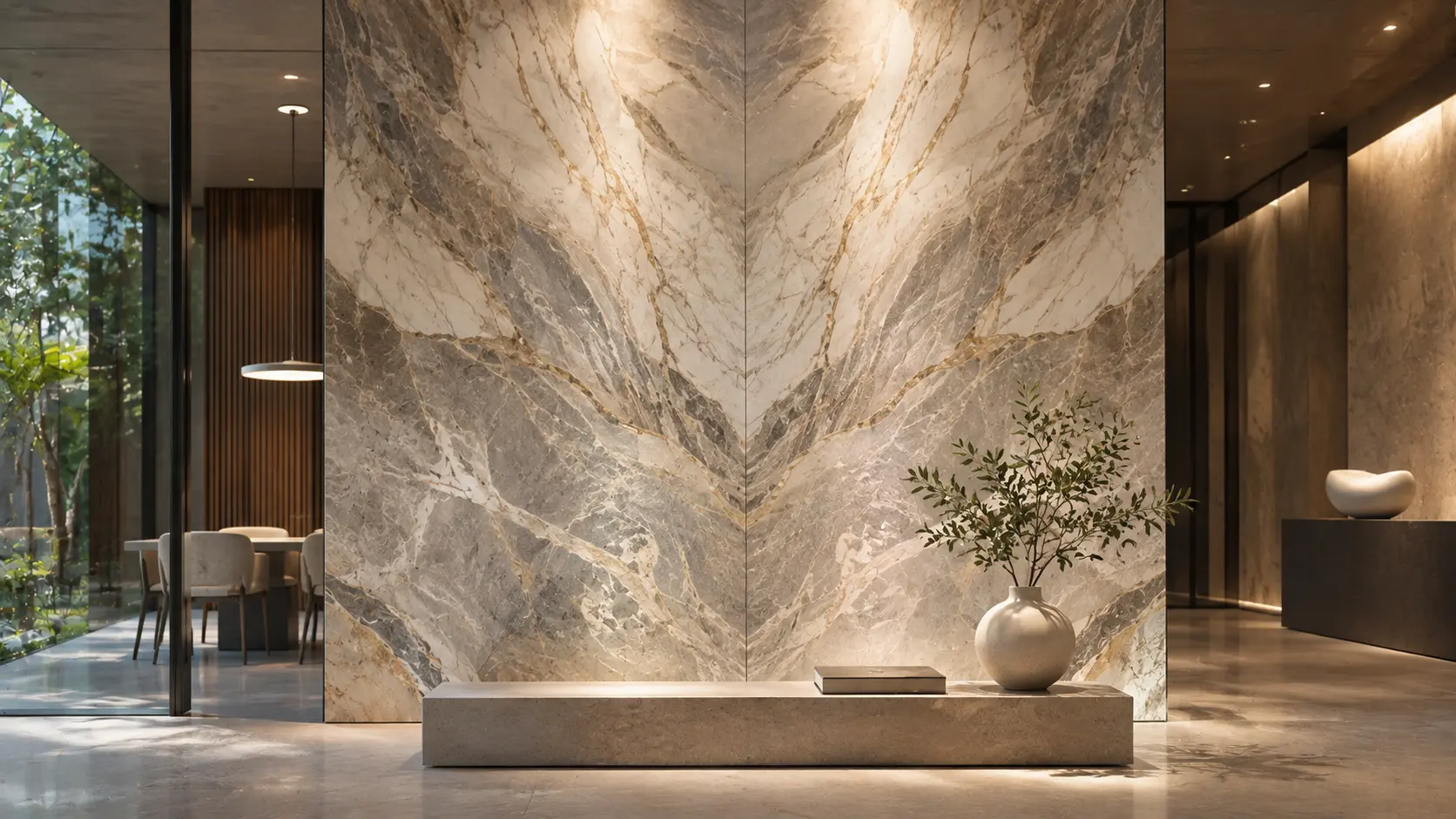
Natural sells inventory instead of provenance; engineered sells specs instead of certainty. How both sides of the perception battle escape their own underselling.
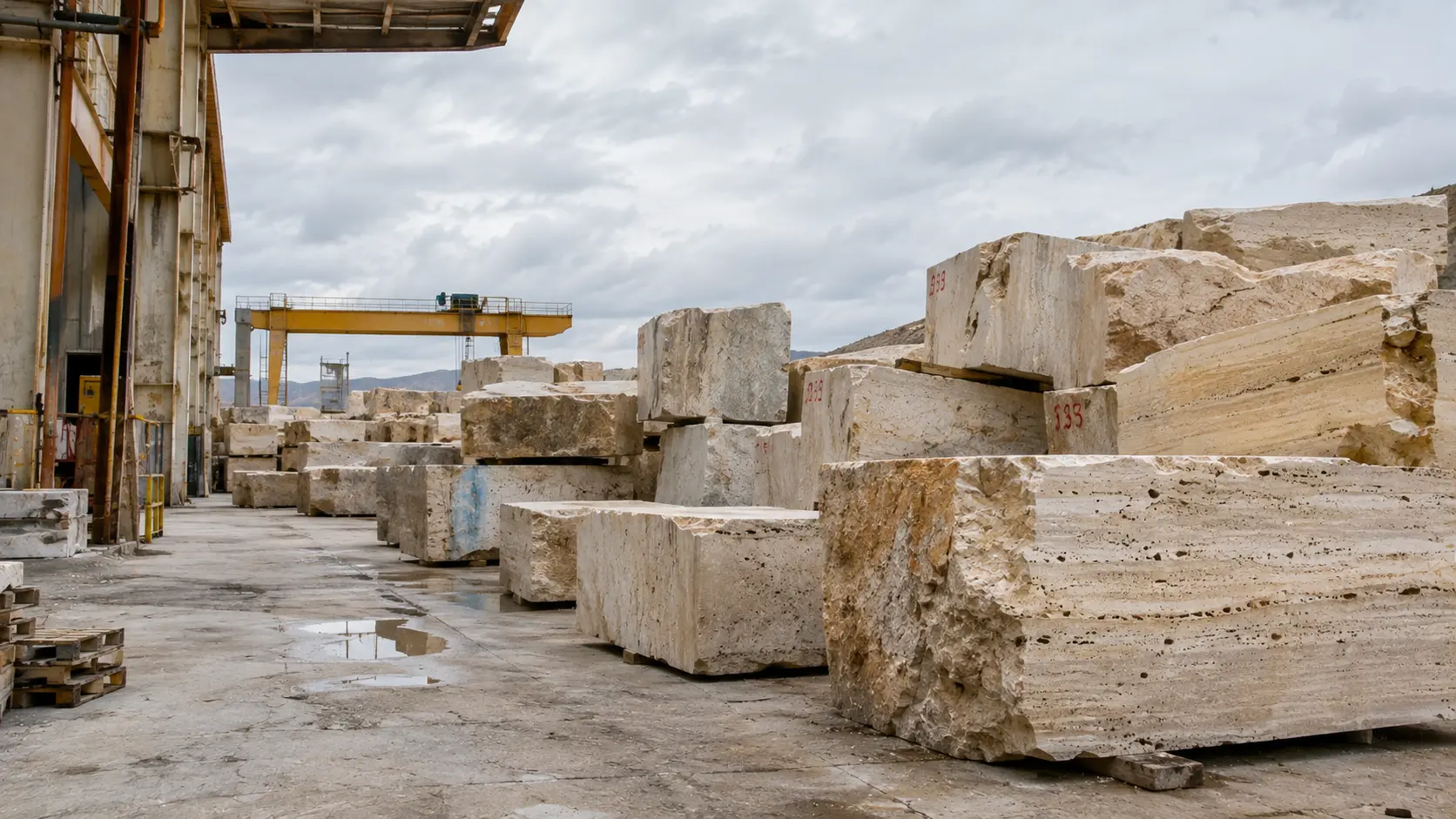
Surfaces are specified from screens long before anyone touches a slab. The digital representation, documentation and presence that win the architect’s shortlist.
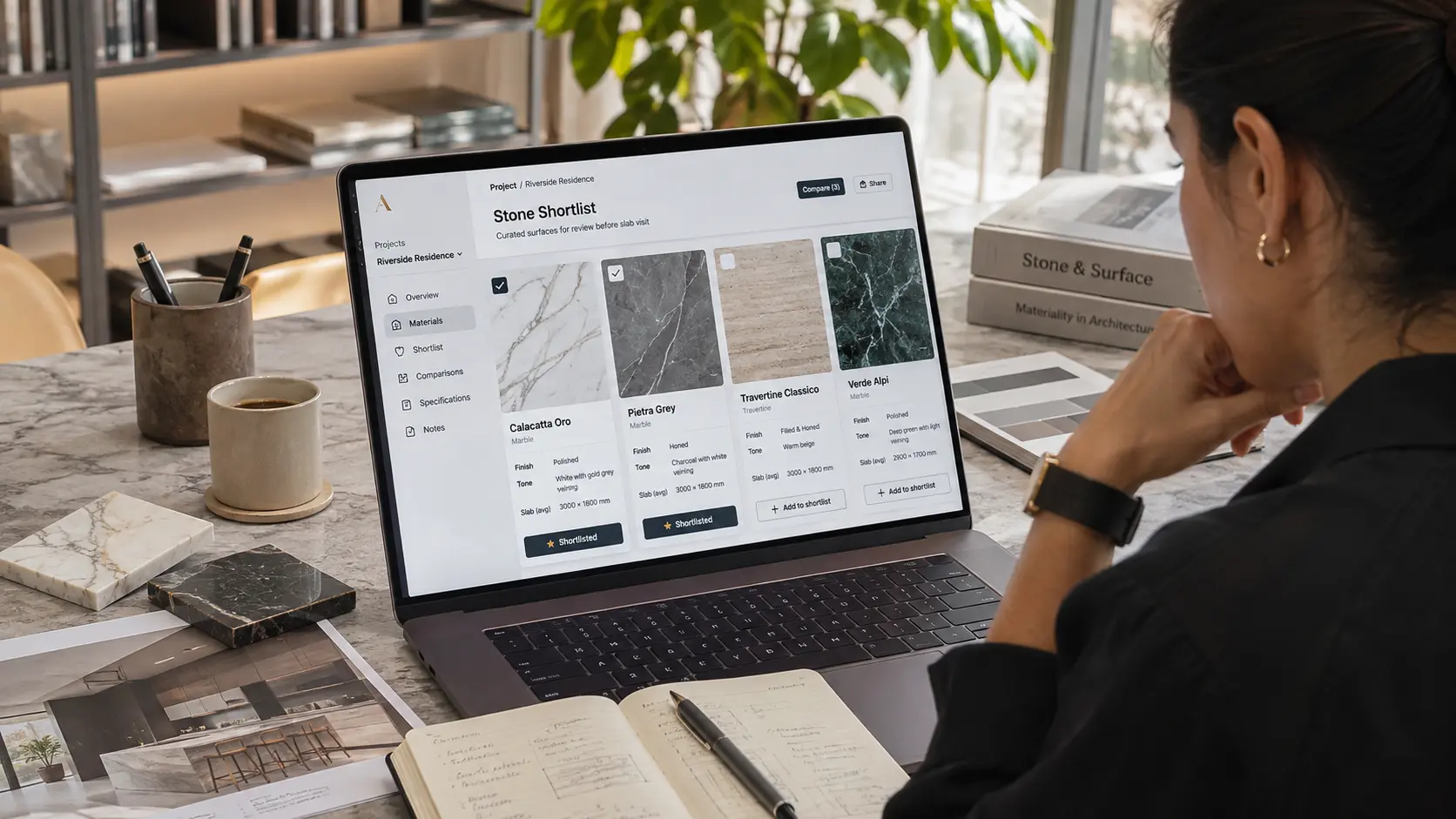
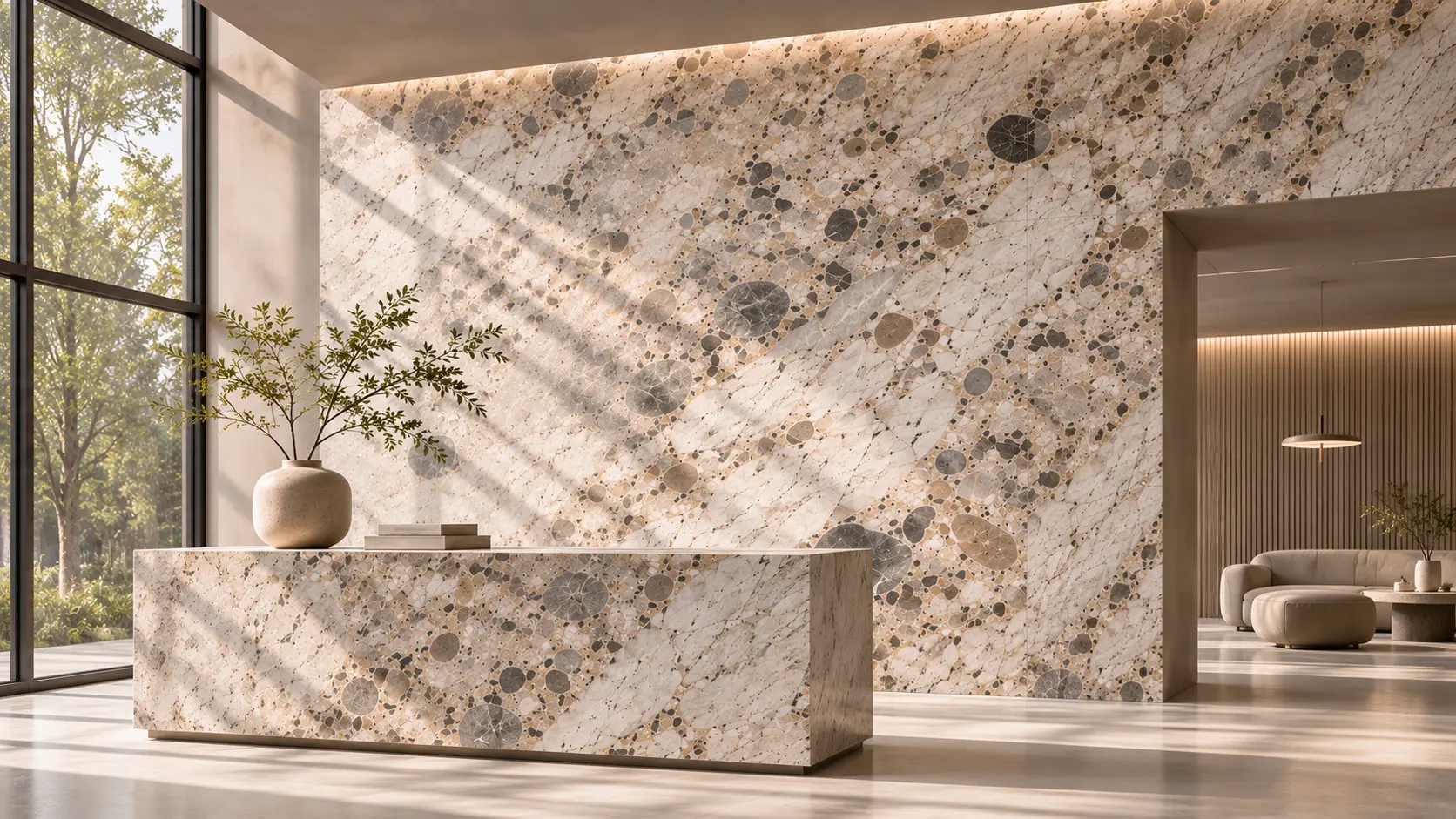
After Australia’s engineered stone ban, transparency stopped being optional. What specifiers and developers now demand — and how honest brands turn scrutiny into advantage.
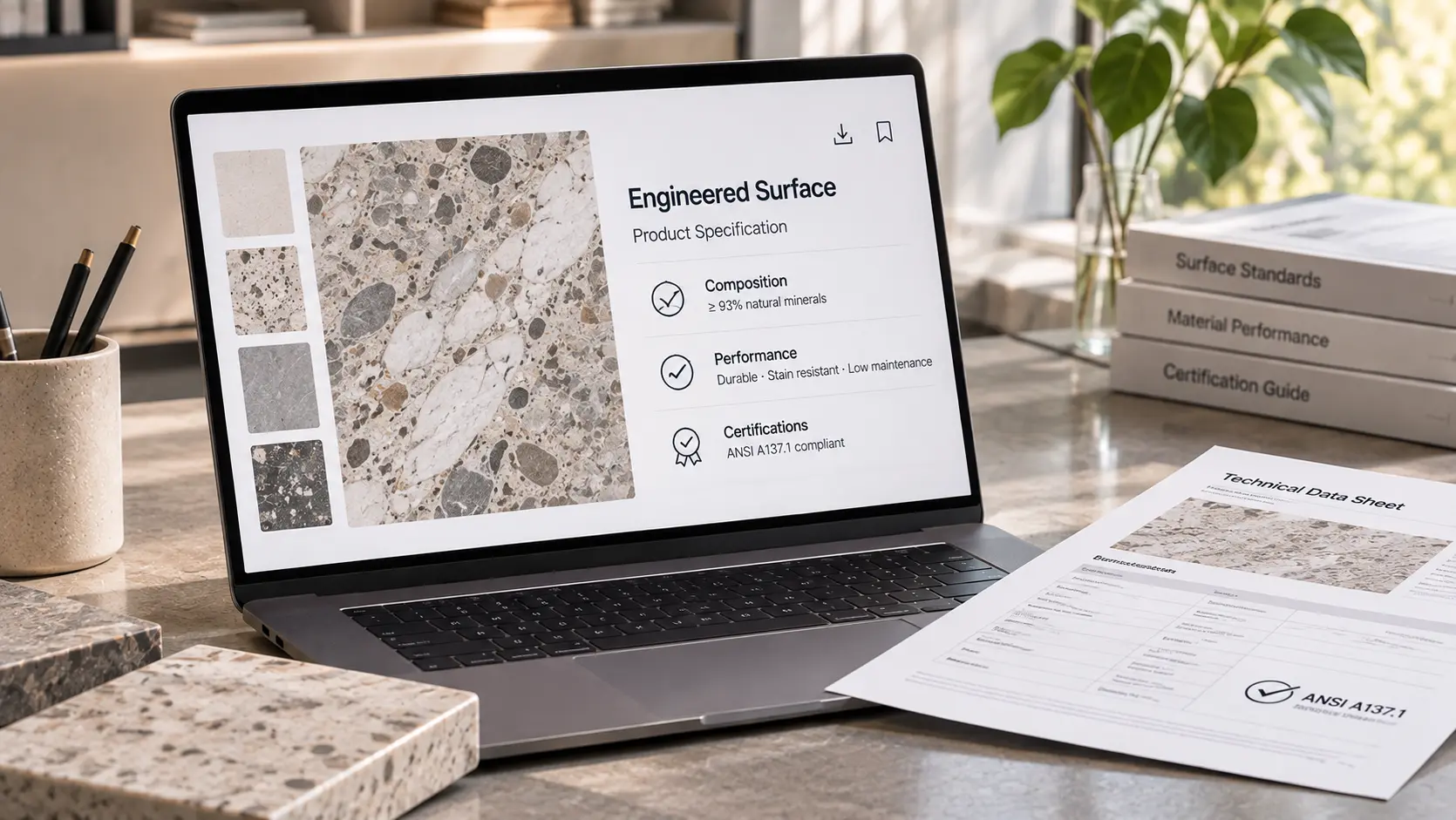
Large format is a technical revolution sold in confusing language. How to translate complexity into specifier confidence — and educate the chain that installs it.
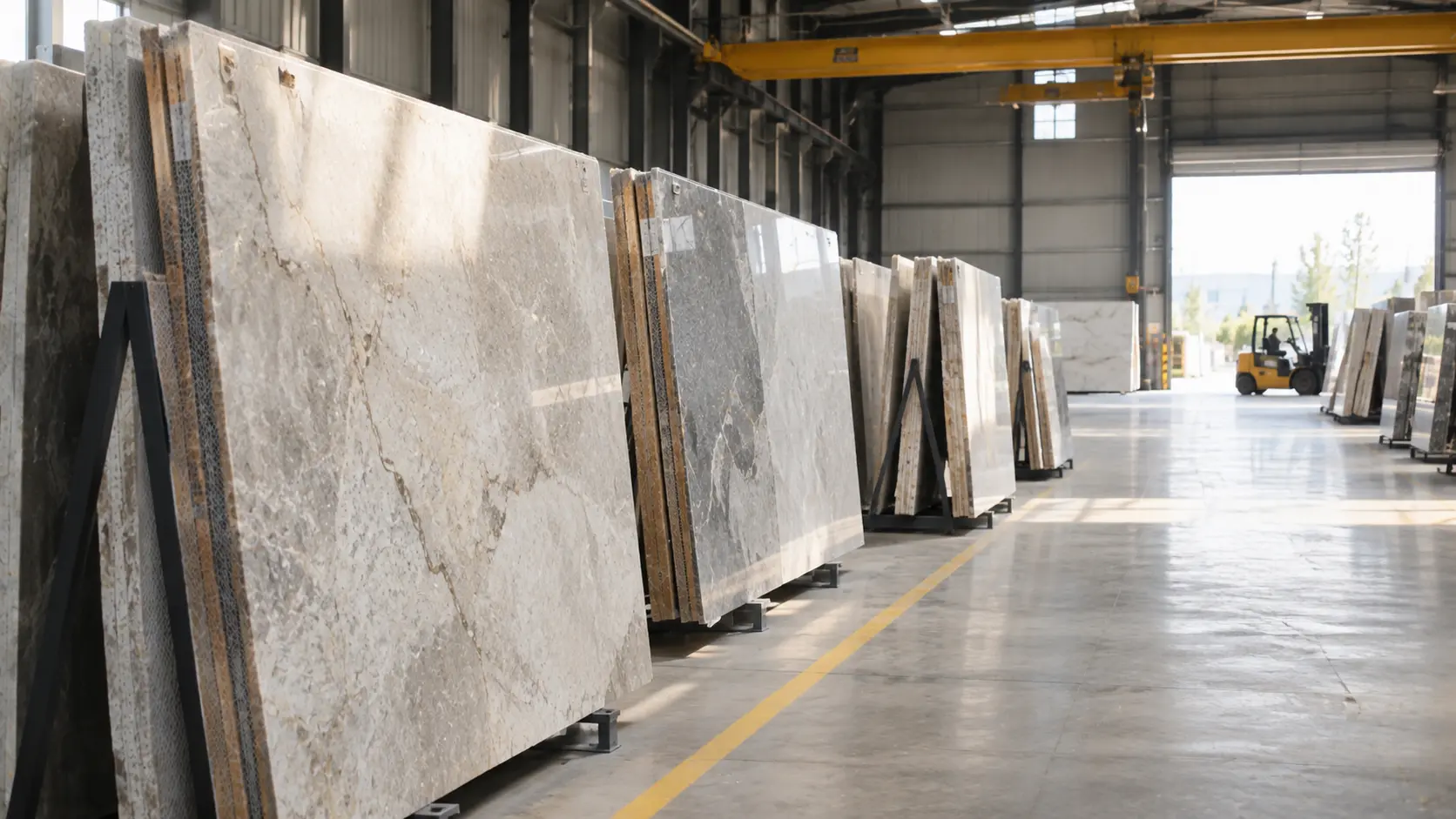
From quarry or factory to installed project, the brand’s name is stripped at every handover. Where the value leaks — and the assets that keep the name attached.
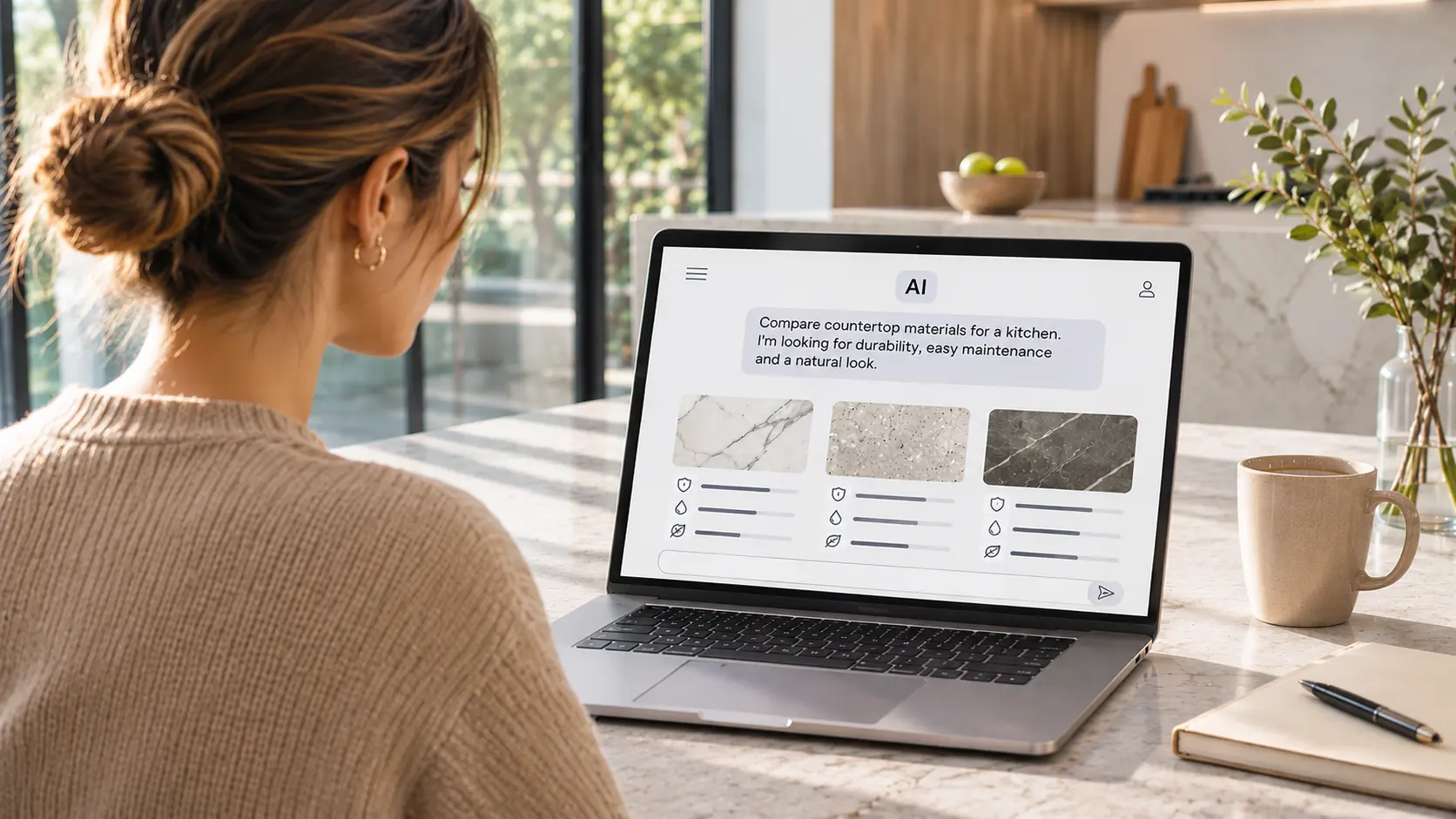
“Quartz, granite or sintered?” is now asked to AI — with safety questions attached. How surface brands enter the answers that shape the shortlist.
VXLAB combines market knowledge with brand building for the surfaces industry: positioning strategy, brand identity, provenance and product storytelling, catalogues, photography and fair presence, and the digital visibility work that reaches architects, fabricators, kitchen studios and developers — including the AI answers they increasingly consult.
By keeping the name attached to the material. That means positioning built on what is genuinely singular — the quarry, the geology, the craft — expressed through identity, photography and catalogues with design culture, and defended through the chain so the project knows whose stone it stands on. Turkey’s export shift — more value on less volume — shows the whole sector where the margin lives.
Both hold strong hands and both underplay them. Natural stone owns the ultimate provenance story — unrepeatable geology, millions of years — and mostly sells it as inventory. Engineered surfaces own consistency, performance and scale — and mostly sell them as spec sheets. The winning position on either side is the one told with conviction and evidence; the losing position is the default.
Because the chain anonymises them. Material sold by block, slab or container, processed and resold through hands that strip the name, arrives at the project as a generic surface — and generic surfaces are bought on price. Brands escape by building recognition the chain cannot remove: with specifiers, with fabricators, and with the end clients who ask for the name.
The category’s licence to communicate changed. Australia’s 2024 ban on engineered stone containing crystalline silica turned material transparency from a marketing option into a market expectation: specifiers and developers now ask what surfaces contain, how workers are protected, and which claims are verified. Brands that answer plainly are converting scrutiny into trust; brands that deflect are inheriting the doubt.
Yes. VXLAB works with materials brands across continents, and this category is the most global of all — quarries in Turkey, Brazil and India, engineered production in Spain and Asia, projects everywhere. The challenges travel: anonymity, price pressure, the climb up the value chain. The answers must be built for each brand and market; that is the point of Market Knowledge.
With a discovery conversation about your market, your positioning and your goals. From there, most surface brands begin with the Discovery Journey — three days that turn market signals into a clear strategic direction for the brand.


Immerse yourself in our growth flow and receive newsletters about our projects, market trends, cultural insights, and industry news.