VXLAB works on both sides of the aisle: helping trade fairs position themselves as industry references, and helping materials brands turn exhibitions into their most productive brand investment — strategy, stand and experience design, content and influencer programs, and the year-round visibility a four-day event should generate. With exhibition industry revenues growing 16% in 2024 and 18% in 2025 (UFI), even as the global exhibition landscape shifts, neither organizers nor exhibitors can afford to treat trade fairs as a calendar habit.
Trade fairs were declared dying so many times that the industry missed the real story: they are concentrating. Exhibition revenues grew 16% in 2024 and 18% in 2025 (UFI Global Exhibition Barometer) — not because everything recovered evenly, but because value is pooling in fewer, stronger events while the map redraws itself underneath: exhibition space sold in India is up 40% against 2019 while Germany is down 12% (UFI). The fair calendar your sector inherited is not the one it will keep.
That redrawing changes the question on both sides of the aisle. For organizers, “how do we fill the hall” is being replaced by “why does this event deserve to exist” — a positioning question, answered with brand, content and the intelligence only a fair can gather. For exhibiting brands, “which fairs and with what stand” has become a strategic decision with real money attached, and the four days themselves are the smallest part of it: what surrounds them — the content, the activation, the follow-through — decides the return.
We know both sides because we work both sides: VXLAB advises and designs for event organizers, and conceives, designs and produces the stands, campaigns and content programs with which materials brands show up. The conviction underneath is the same everywhere on this platform: a fair is a brand experience compressed into days — and experiences, like brands, are designed or they are wasted.

Key figures shaping the strategic reality of trade fairs and sector events — and what they mean for organizers and exhibitors.
Every fair sits on its sector’s densest annual dataset and sells square meters instead. The strategic upgrade that turns four days of event into a year of authority.
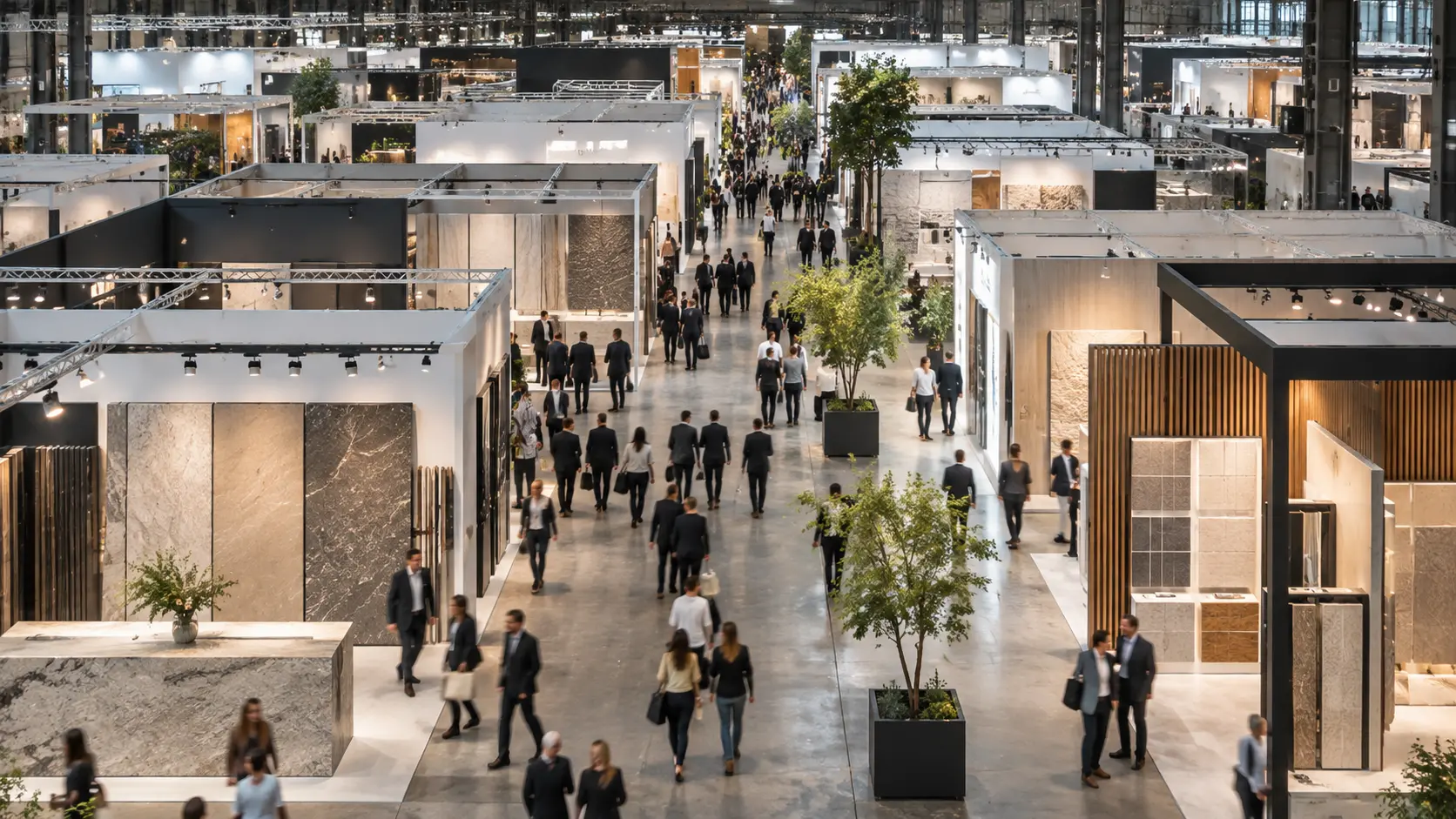
Materials brands import consumer influencer logic into B2B halls and wonder why it fails. How credibility beats reach — and why the fair is the natural stage for it.
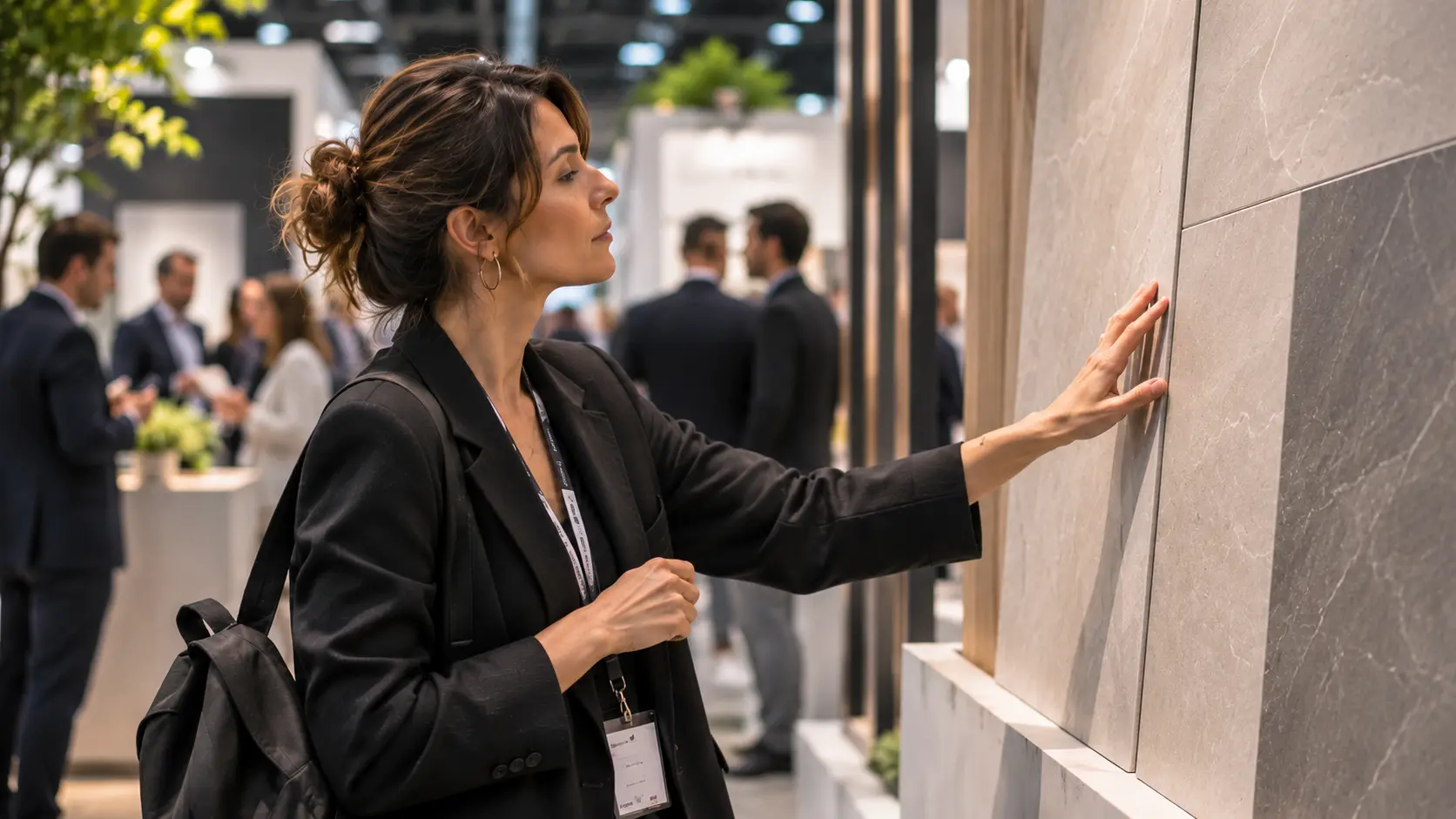
The visit starts weeks before the badge scan and ends long after the hall closes — yet most of that journey is designed by nobody. A guide to owning all three acts.

Fairs sell square meters; exhibitors buy outcomes. The gap between the two is where events lose their best brands — and where the next generation of fairs is being built.
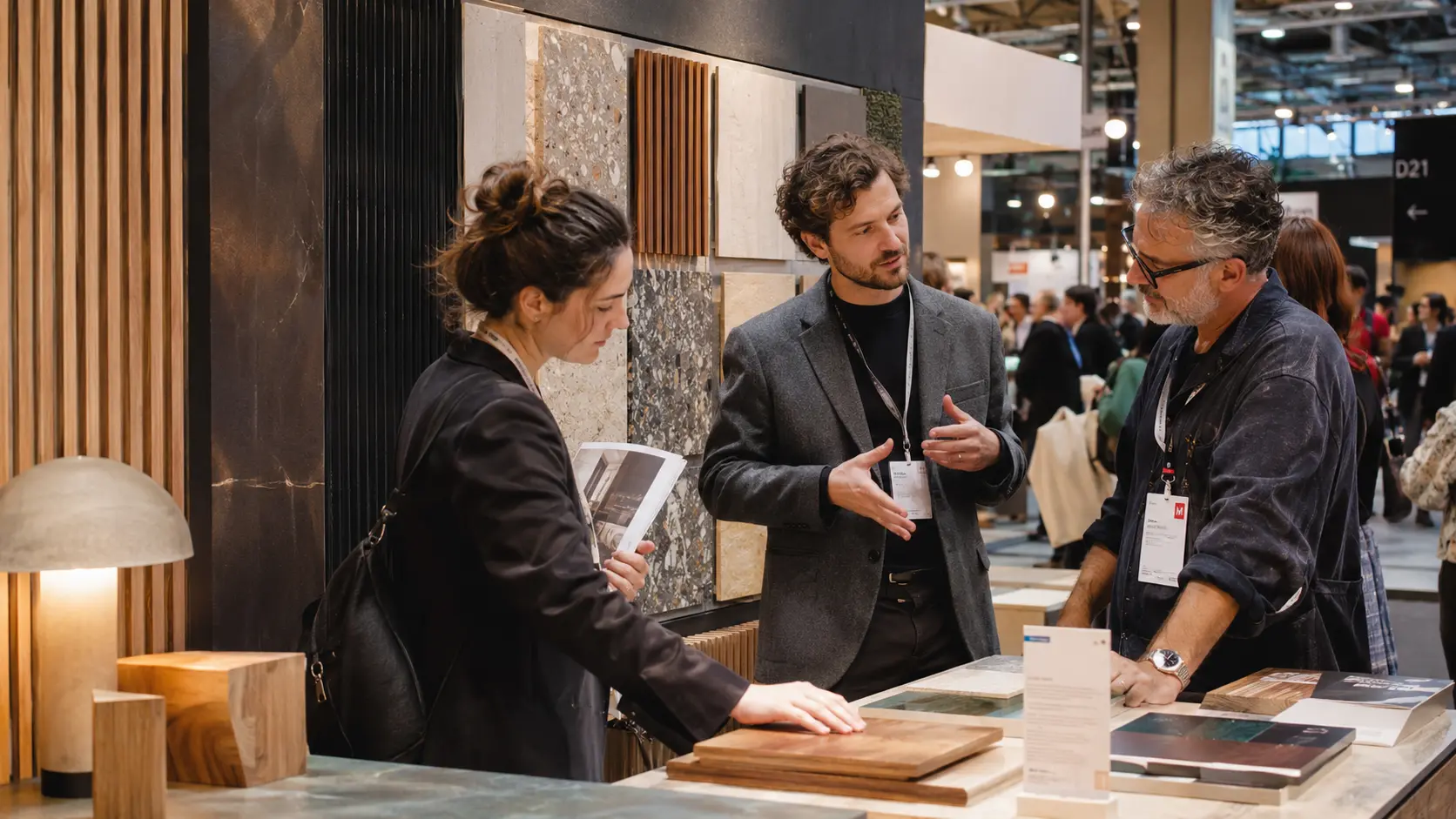
Calendar loyalty is dead and the map is redrawn yearly. How an event builds the authority, curation and brand that make it the edition nobody can afford to miss.
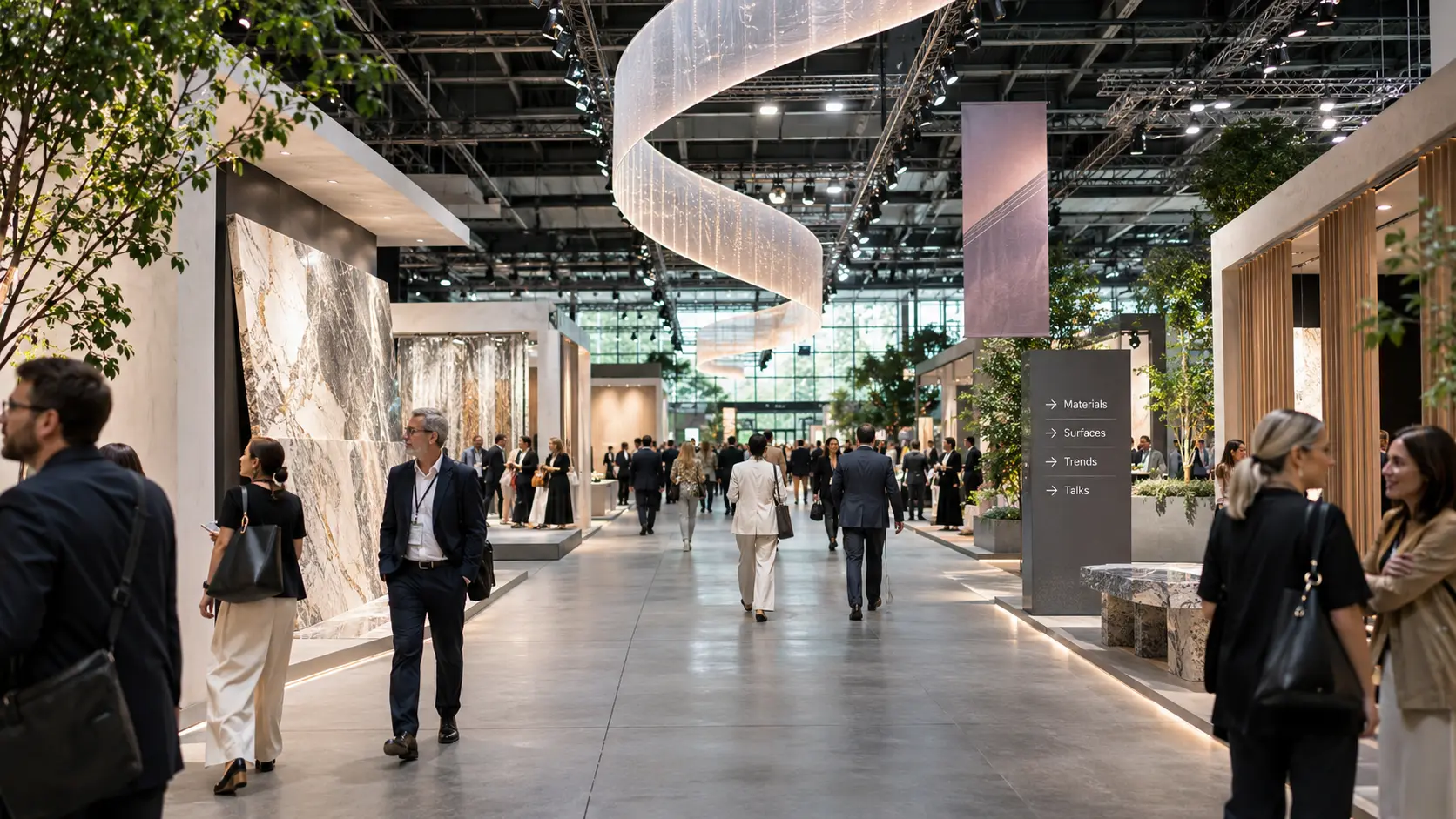
The hall closes and the value evaporates: leads cool, content dies in a recap post. How organizers and brands turn the eleven quiet months into the fair’s real return.

Exhibitors now ask AI which fairs deserve their budget; visitors ask what is worth attending. How an event becomes the name in those answers — before its competitors do.

Both sides of the aisle. For organizers: positioning strategy, brand identity, content and communication programs, and the visitor and exhibitor experience design that make an event a reference. For exhibiting materials brands: fair strategy, stand concept and design, campaign and content production, influencer activation and the follow-through that turns four days into a year of visibility.
The evidence says yes — selectively. The exhibition industry grew 16% in 2024 and 18% in 2025 (UFI), but the growth concentrates in events with clear positioning while the map redraws underneath (India +40% in space sold vs 2019; Germany −12%). The honest answer for any brand is that fairs are worth it exactly in proportion to the strategy around them: the right events, a stand with an argument, and a plan for the other 361 days.
Like a positioning decision, not a tradition. Where do your target specifiers and distributors actually go now — not a decade ago? Which events feed your priority markets? What does each fair’s audience data really show? The redrawn map punishes inertia: budgets committed by habit to declining halls are budgets taken from the platforms where your next distributors are walking.
With an argument, not just an aesthetic. The stands that work are designed around one idea a visitor can repeat afterwards — expressed in space, material, content and staff behaviour. In materials sectors, where every hall displays technically excellent products, the stand is the brand’s design culture made walkable: architects judge it the way they judge a building.
The same way any brand does: a position competitors cannot copy. Geography and dates are no longer enough — the durable advantages are authority (the event as the sector’s voice, not just its venue), curation with a point of view, the intelligence only a fair can gather and publish, and a visitor and exhibitor experience designed end to end.
Year-round does not mean twelve months of promotion; it means twelve months of value. Events that publish their intelligence, maintain the conversations their halls created and feed their communities with content become platforms with an annual peak — rather than four days with eleven months of silence. Audiences are not exhausted by value; they are exhausted by reminders.
With a discovery conversation about your event or your fair strategy, your positioning and your goals. From there, most engagements begin with the Discovery Journey — three days that turn market signals into a clear strategic direction.


Immerse yourself in our growth flow and receive newsletters about our projects, market trends, cultural insights, and industry news.