VXLAB helps wood, LVT and visible finishing brands compete in the category where narrative decides: positioning with a point of view about how surfaces shape rooms, design language and imagery that make finishes desirable rather than interchangeable, and the digital visibility that reaches architects, retailers and homeowners — in a market where the best-told story just tripled its share in a decade.
The flooring industry just watched a masterclass in brand strategy and, for the most part, refuses to read it that way. In ten years, resilient flooring went from 12.4% of US flooring dollars to the dominant category — 57.4% of hard-surface sales (Floor Covering News, 2025) — with LVT volumes growing 28% in a single stretch to roughly a billion square feet (Floor Covering Weekly). Wood did not lose that decade on quality. Wood makes the better material and everyone knows it. Wood lost a story war: LVT sold “the look you love without the problems”, and an entire market repeated the sentence until it became the truth.
That is the defining lesson of this category: visible finishes are narrative products. A floor is the largest surface in every room, the thing hands and feet touch all day, the background of family photographs for twenty years — and buyers choose it for what it will make a room feel like, then use specifications to justify the feeling. Whoever supplies the feeling owns the sale.
Most finishing brands still compete underneath that level: wear layers, click systems, oak decors indistinguishable across a hundred catalogues. The way up is brand work — a position worth repeating, a design language recognisable without a logo, sustainability told as a story instead of a compliance annex, and the digital presence to be found where architects, retailers and homeowners actually decide. In a category won by narrative, the brands that tell none are raw material for whoever does.
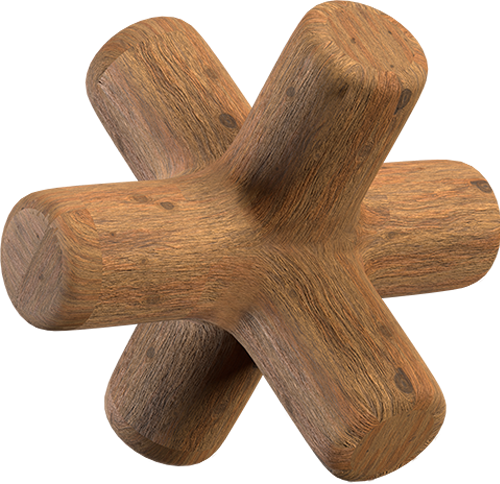
Key figures shaping the strategic reality of wood, LVT and visible finishing materials — and what they mean for your brand.
The floor is the largest object in every room and the most undersold. Why finishing brands occupy enormous emotional territory — and price like commodities anyway.
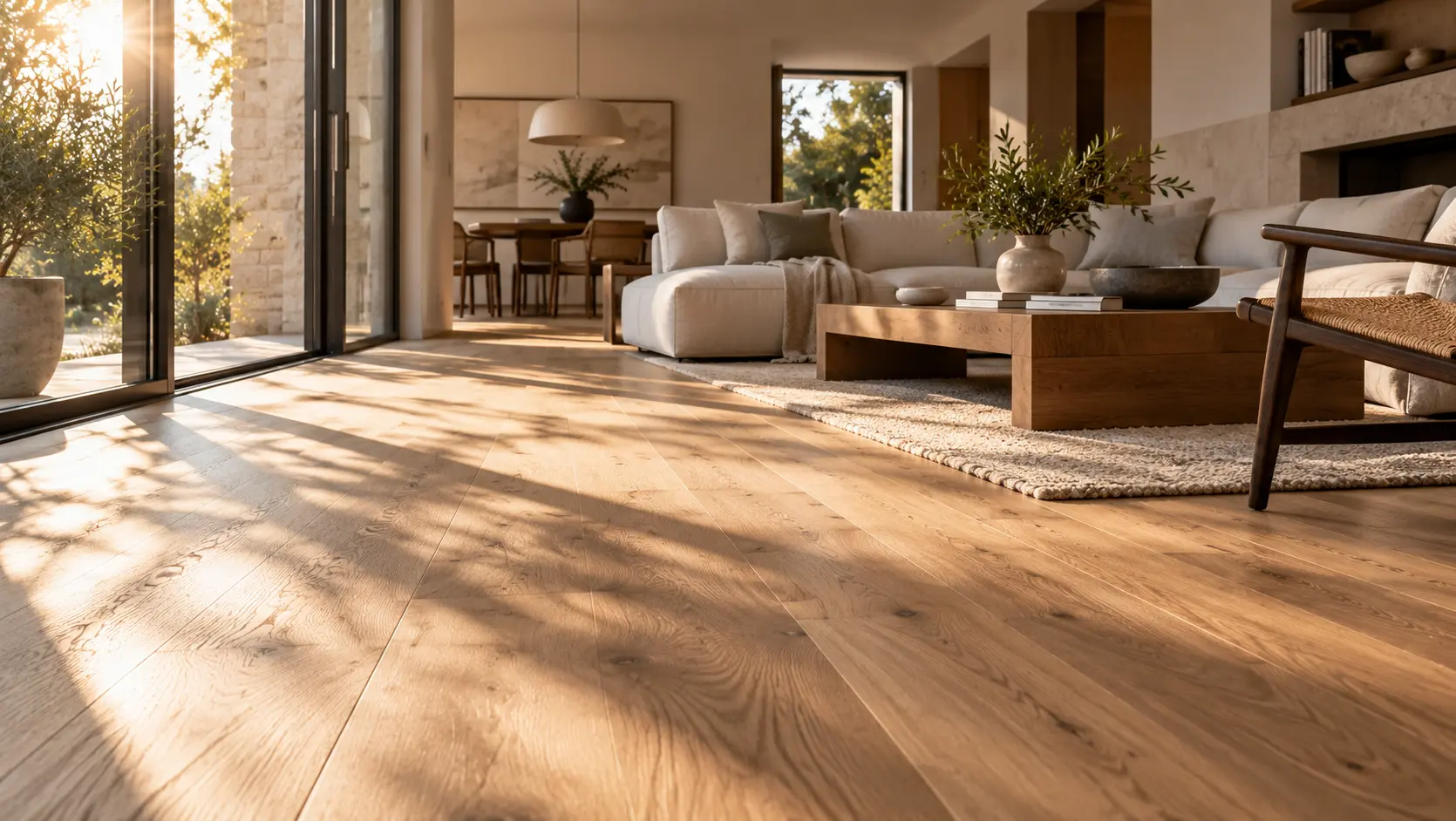
The category that won the story war now drowns in its own sameness: a thousand oak lookalikes. How LVT brands escape the catalogue of clones.
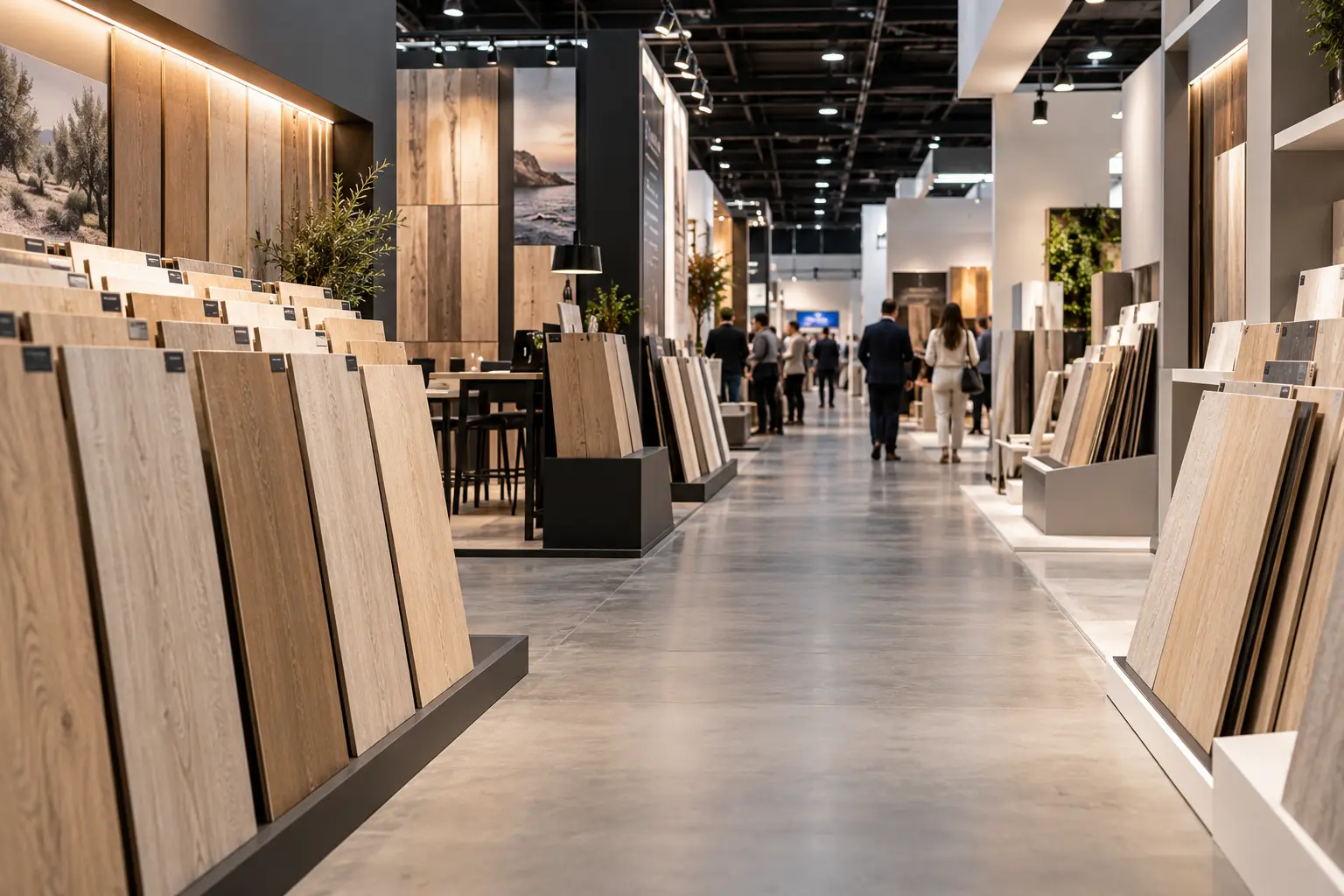
Specifiers choose floors twice — for the concept and for the file. The materials honesty, documentation and sample experience that win both selections.
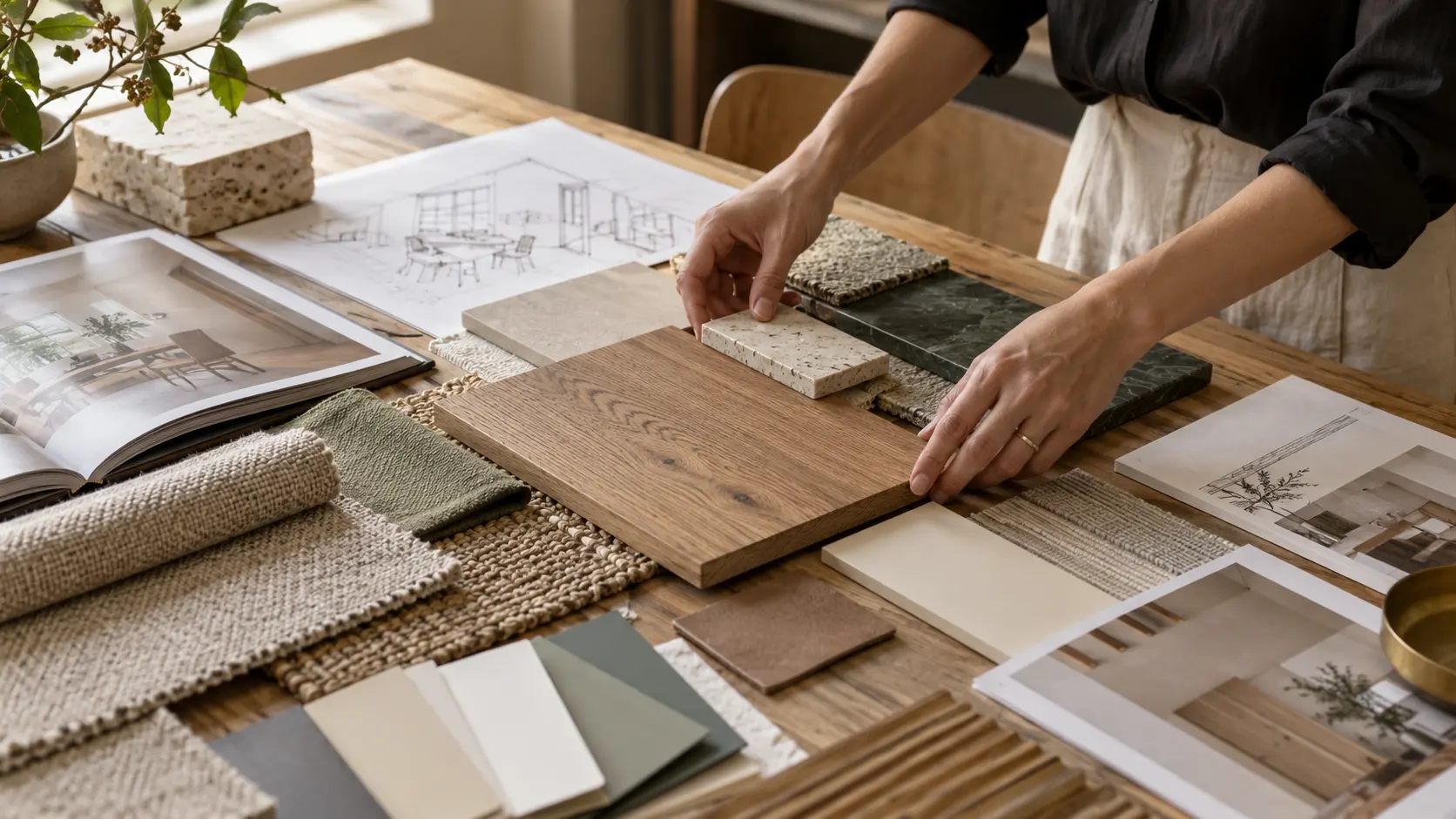
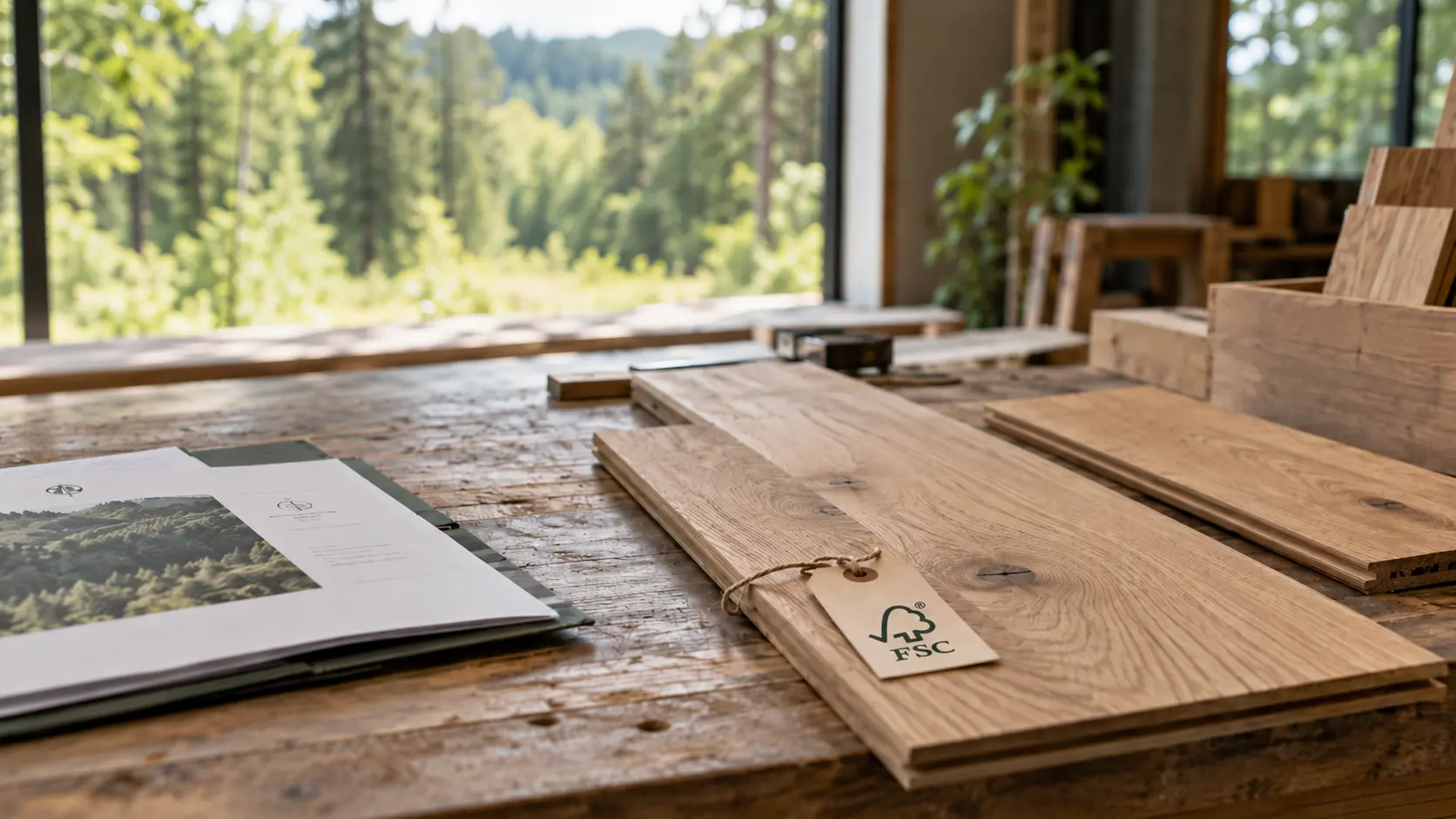
Wood owns the genuine environmental story and tells it like a compliance annex. How flooring brands turn certification and traceability into preference instead of paperwork.
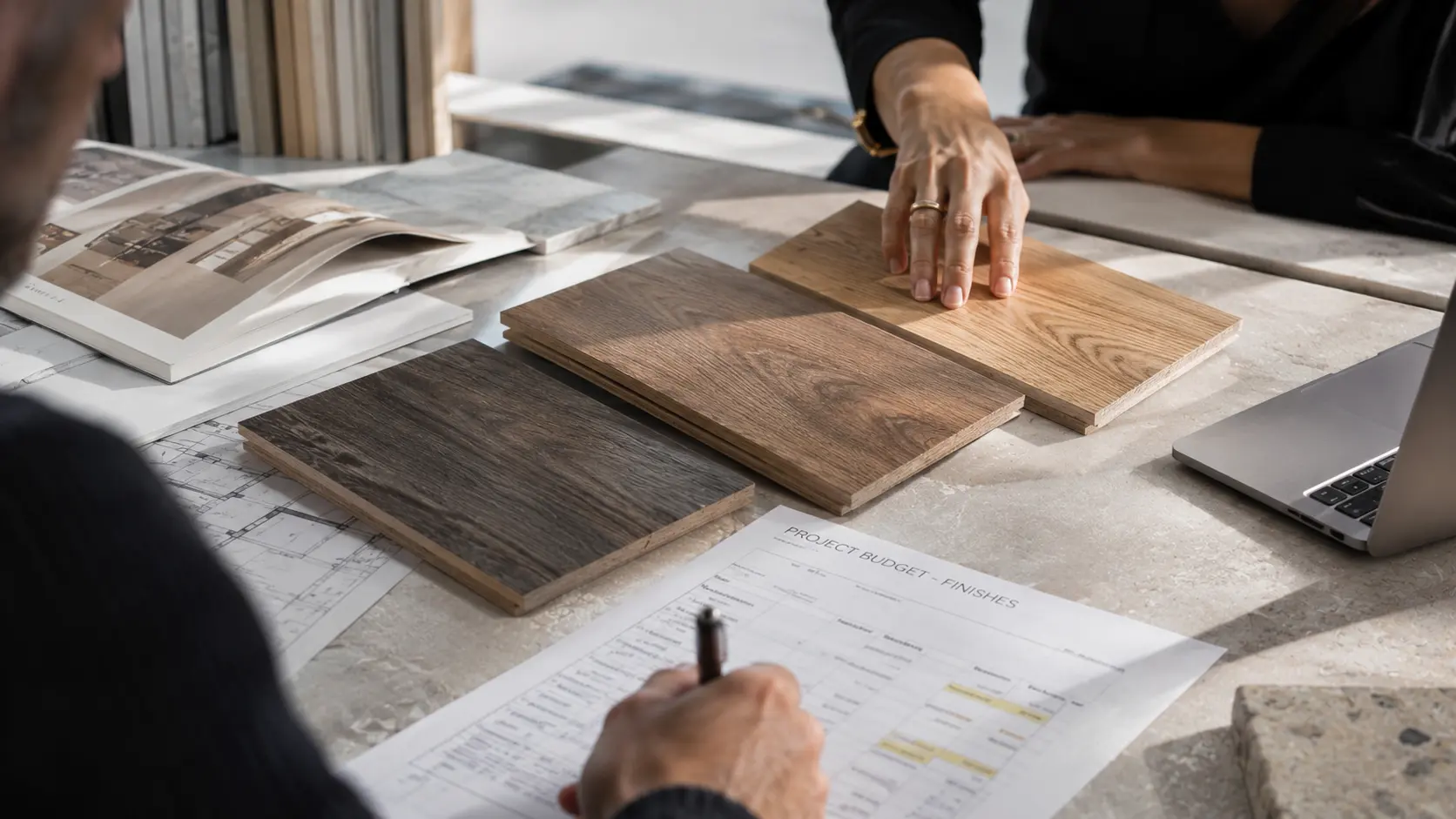
The sample is the audition: the one moment your product is physically in the buyer’s hands. How sample logistics become brand experience — and win specifications.

Finishes are the easiest line to value-engineer and the last to be defended. The structural reasons finishing brands get squeezed — and the brand assets that stop it.
“LVT or hardwood?” is now asked to AI assistants — and answered with brand names. How flooring brands enter the comparison answers where the category is decided.

VXLAB combines market knowledge with brand building for the visible finishes industry: positioning strategy, brand identity, collection naming and design language, catalogues, photography and sample systems, and the digital visibility work that reaches architects, retailers, contractors and homeowners — including the AI answers they increasingly consult.
By competing above the decor. When a hundred brands print similar visuals, differentiation moves to the level of narrative and design language: a point of view about rooms and living, collections curated and named with intention, imagery with a recognisable aesthetic, and a brand world coherent from website to sample box. Decors are copied in a season; a voice is not.
No — and that is the category’s central lesson. Wood remains the nobler material. LVT won on narrative: “the look you love without the problems” answered real anxieties about water, pets, maintenance and price. It is the clearest recent proof in construction materials that positioning, not product superiority, decides categories.
Because finishes are late in the project, easy to substitute and rarely defended by anyone in the room when budgets tighten. A floor without a story attached is a square-meter price. Brands escape by building attachment upstream — a homeowner who wants that floor, a designer whose concept depends on it, a retailer whose margin improves with it.
It is becoming the entry ticket in specification and a genuine differentiator only for brands that tell it credibly. Certification and traceability — FSC and PEFC chain-of-custody in wood, verified declarations elsewhere — are the evidence layer; the differentiation comes from turning that evidence into a story buyers repeat rather than an annex they skip.
Yes. VXLAB works with materials brands across continents, and this category’s challenges travel: decor sameness, price pressure, retail-channel power and the narrative gap between what the product is and what the buyer feels. The answers differ by market — an OEM manufacturer building its first own brand and a heritage European wood house need different strategies. Building them is the point of Market Knowledge.
With a discovery conversation about your market, your positioning and your goals. From there, most finishing brands begin with the Discovery Journey — three days that turn market signals into a clear strategic direction for the brand.


Immerse yourself in our growth flow and receive newsletters about our projects, market trends, cultural insights, and industry news.